Service Areas
Local roof planning for downtown properties, industrial corridors, suburbs, campus roofs, and owner portfolios around the Miami Valley.

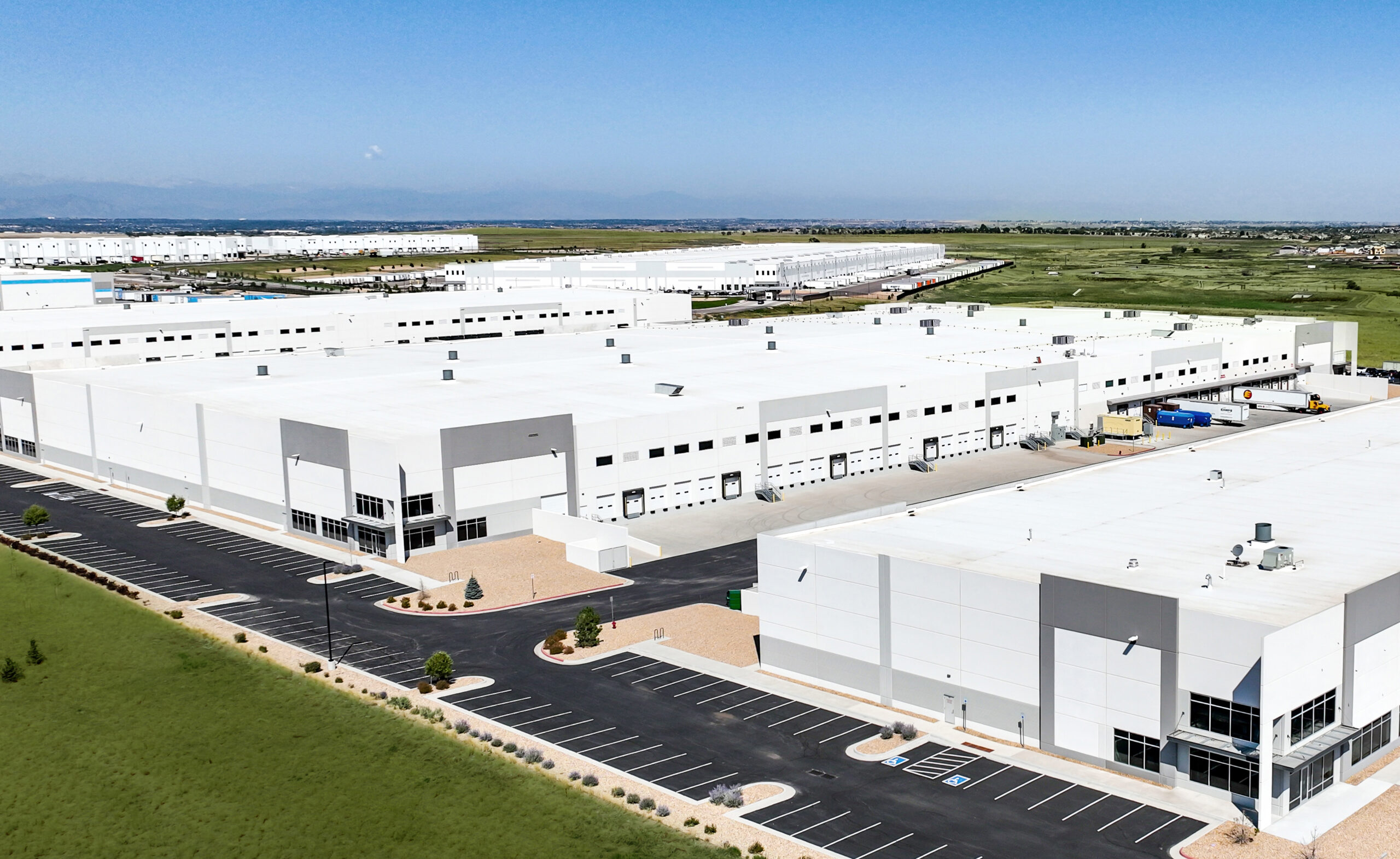
Local roof planning for downtown properties, industrial corridors, suburbs, campus roofs, and owner portfolios around the Miami Valley.
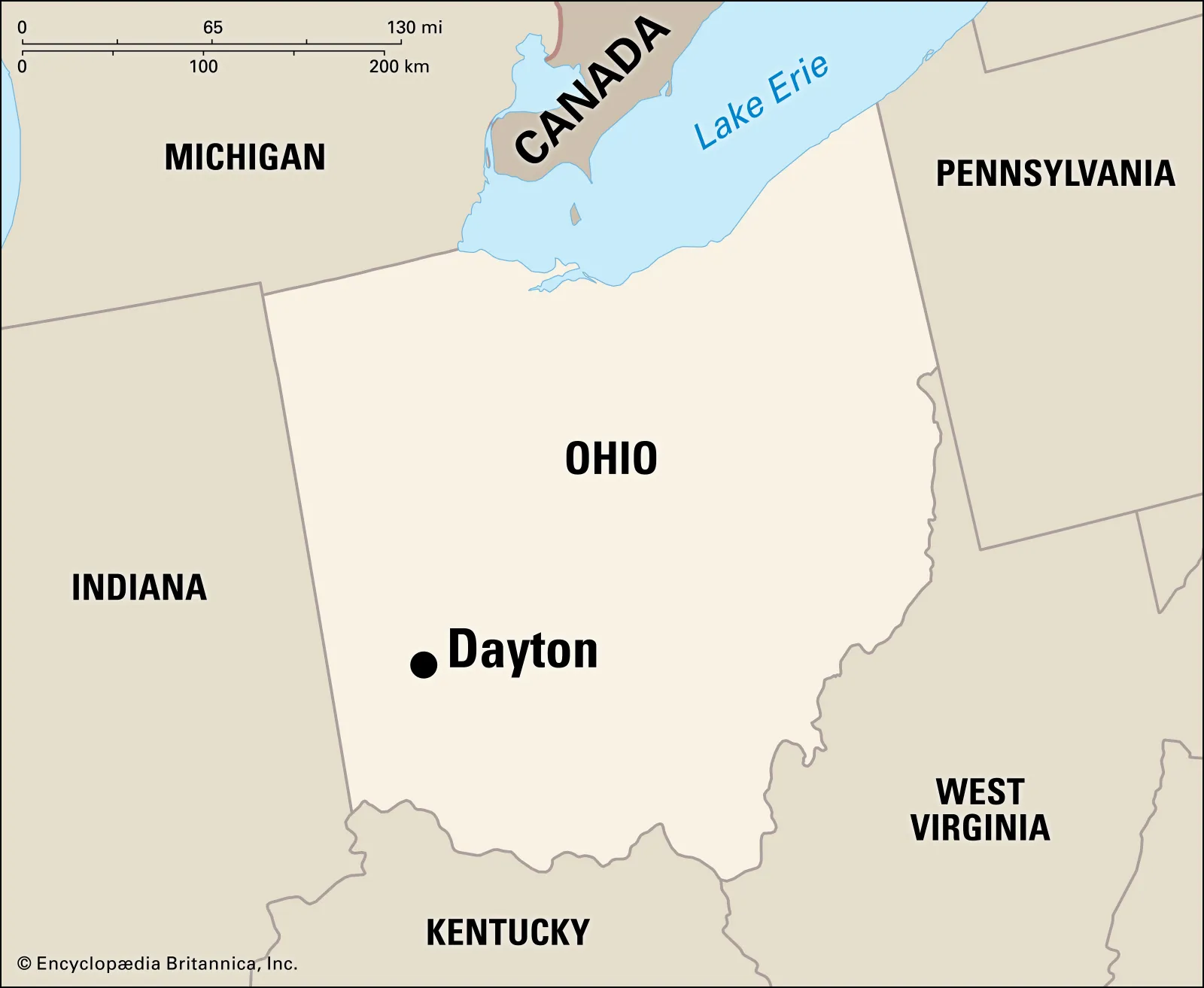
Tech Town's research and office buildings near downtown Dayton house sensitive equipment, so we control noise and vibration while keeping the membrane above them tight.
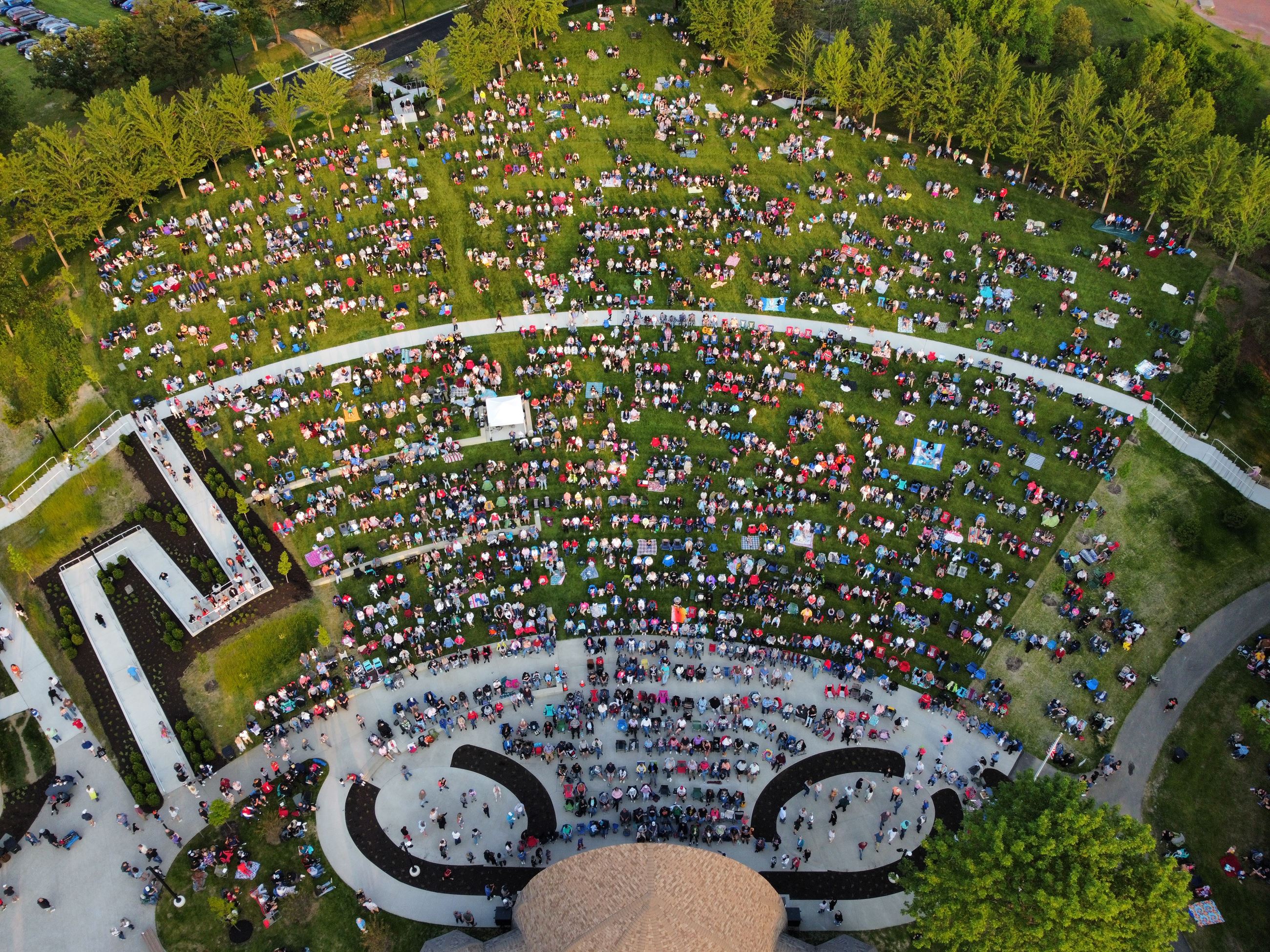
Centerville's office parks and retail centers sit on well-traveled roads, so we schedule roof work to keep tenants open and protect the rooftop HVAC serving each suite.
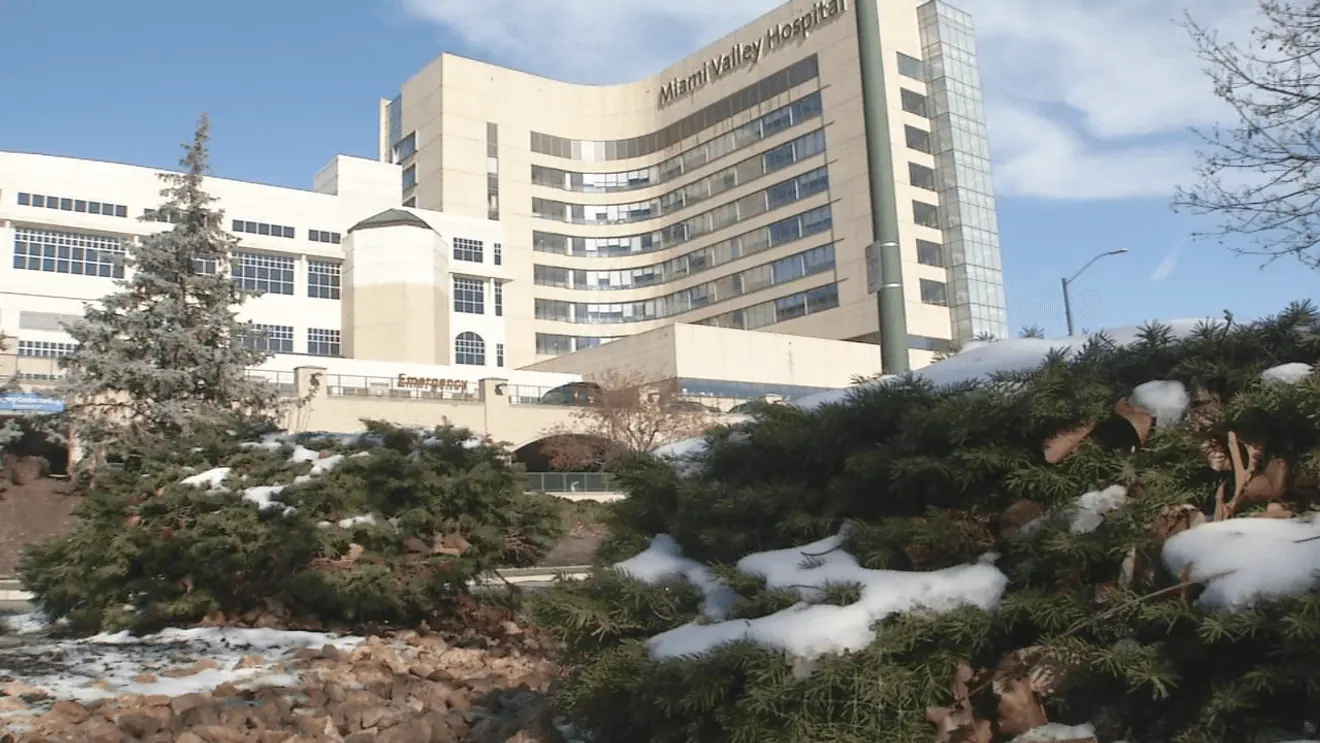
The Miami Valley Hospital district demands roof work that never risks patient-care space, so we plan infection control and rooftop HVAC continuity before crews go up.
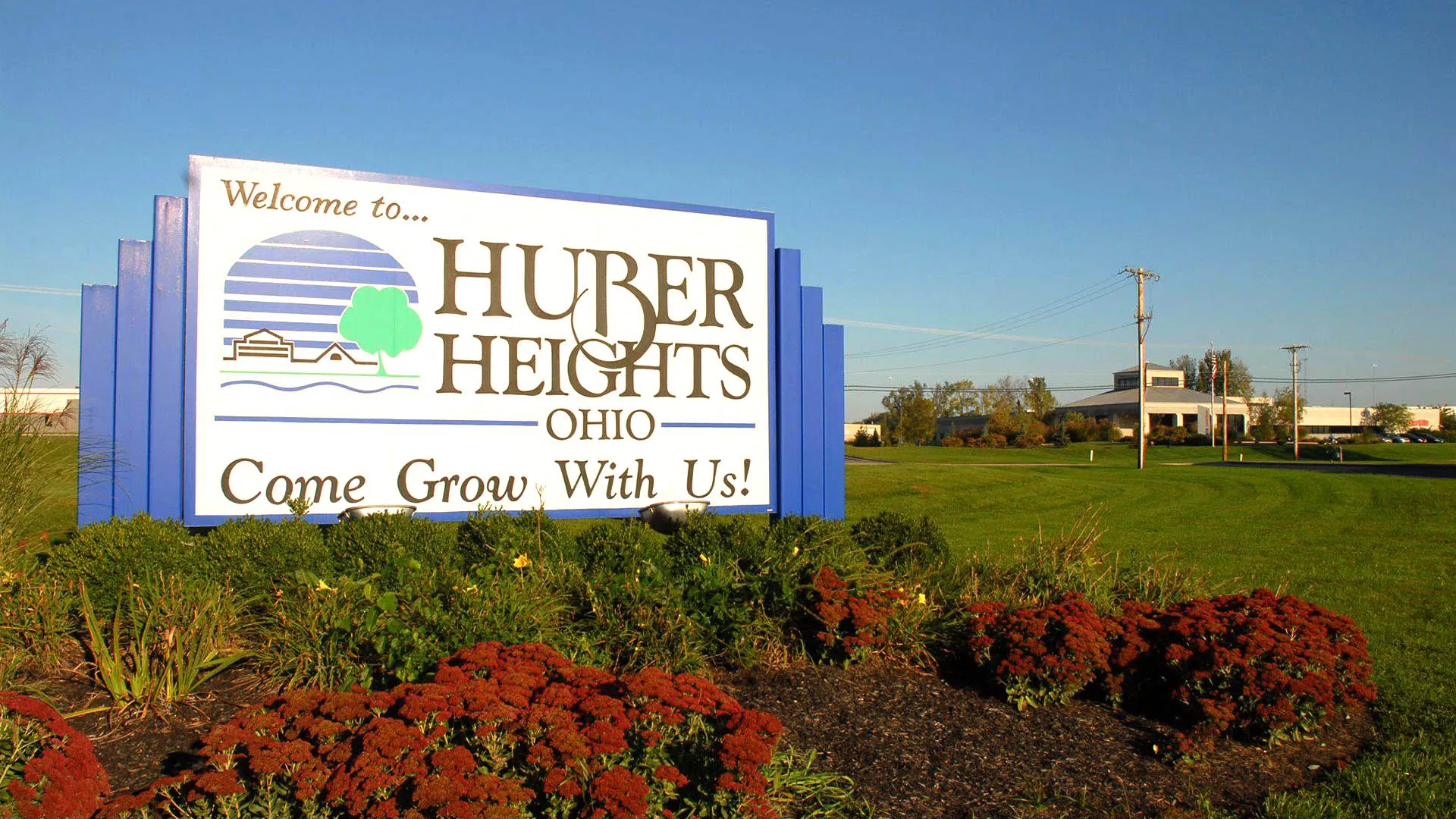
Huber Heights' retail and warehouse roofs sit on open ground northeast of Dayton, where we keep wide low-slope spans draining and edge metal tight against wind.
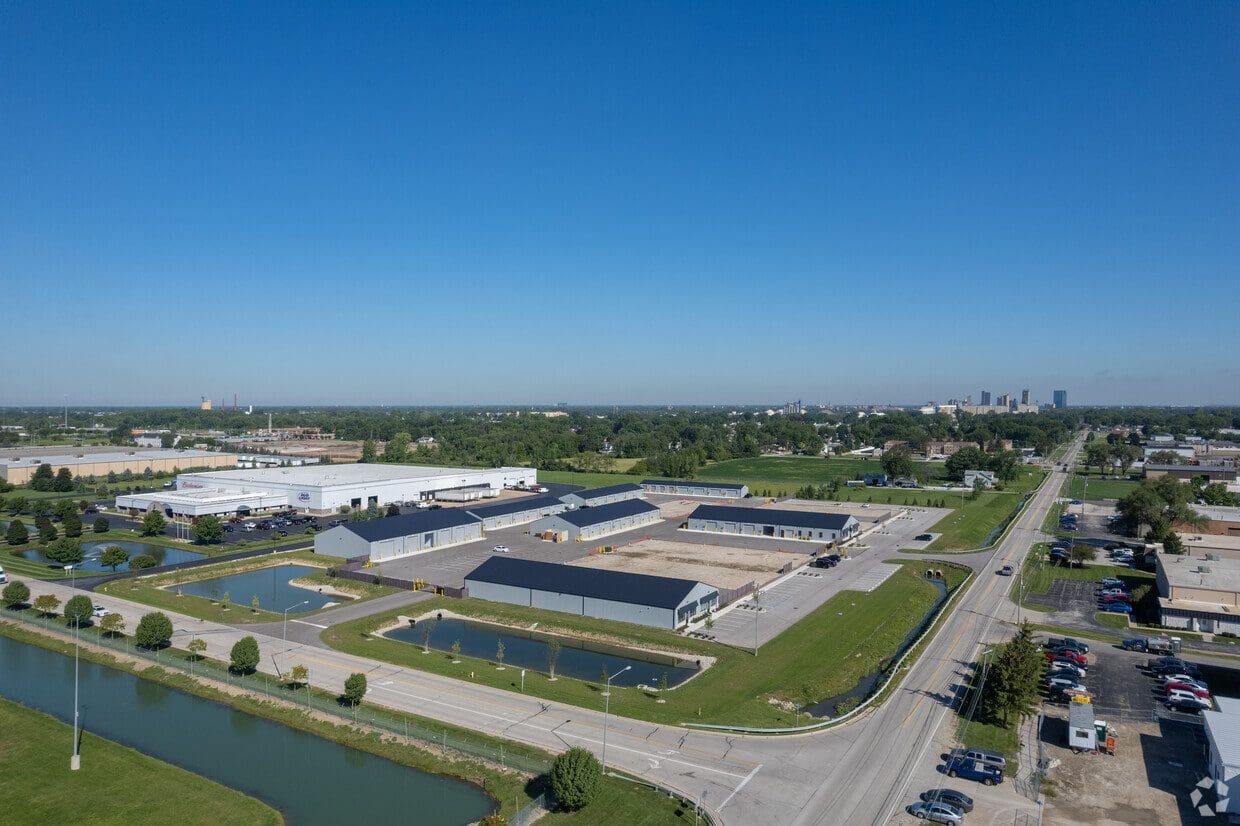
In the Northwoods Industrial Park, warehouse and manufacturing roofs run big and flat, so we keep the membrane draining and the perimeter detailed against Ohio wind.
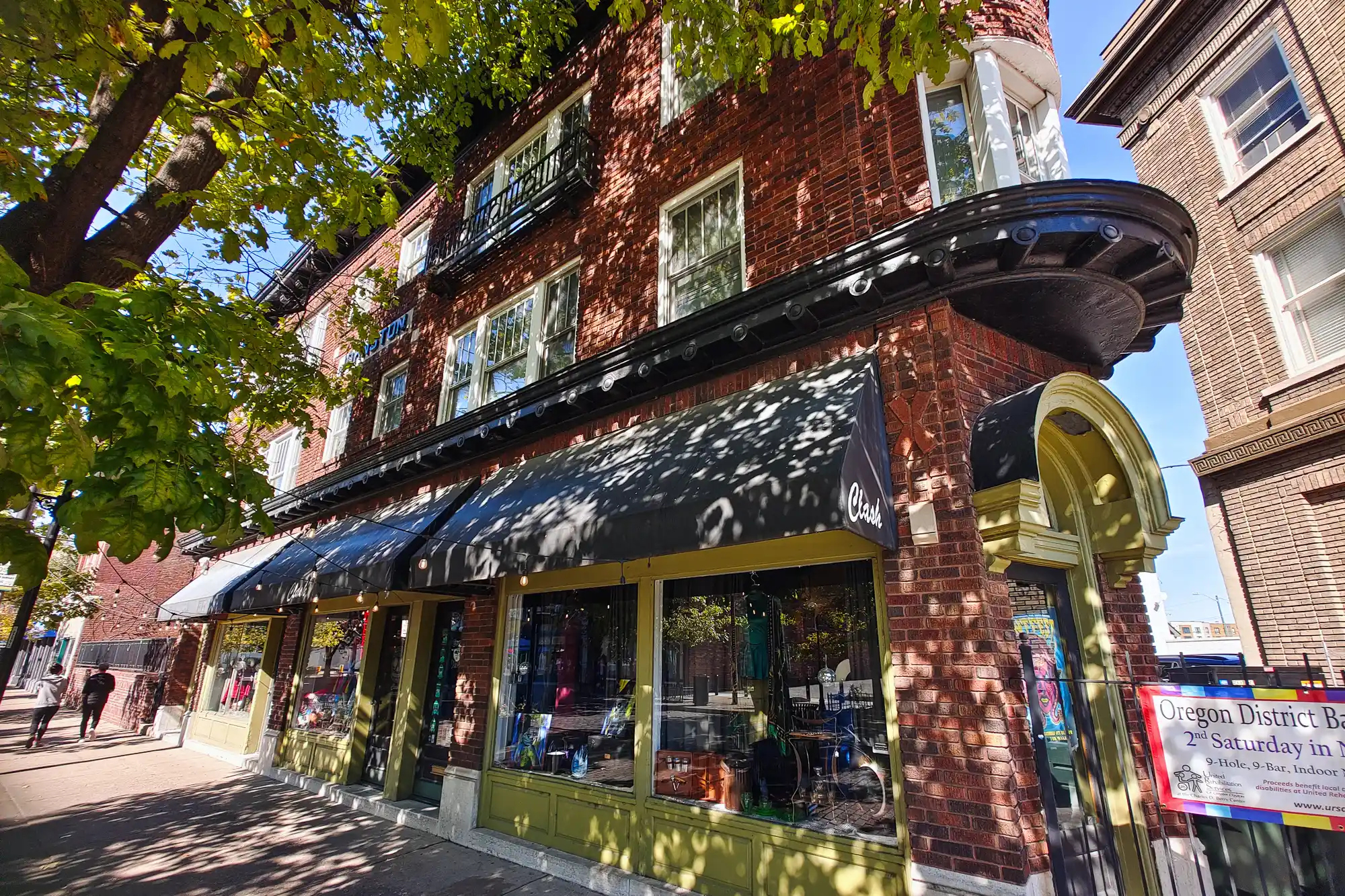
The Oregon District's historic storefronts and restaurants sit shoulder to shoulder, so roof work here means tight access, quiet scheduling, and protecting the businesses below.
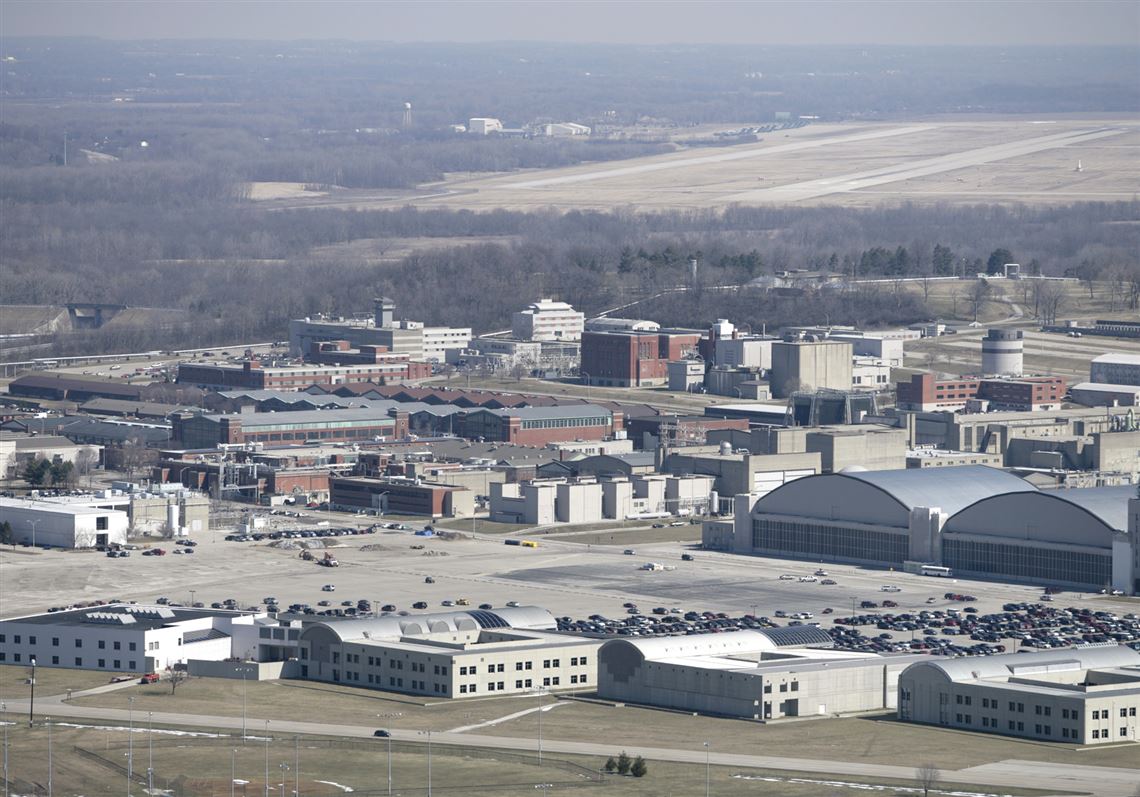
Roof work in the Wright-Patterson area often comes with base-adjacent access rules and security protocols, which we build into staging and documentation from the start.
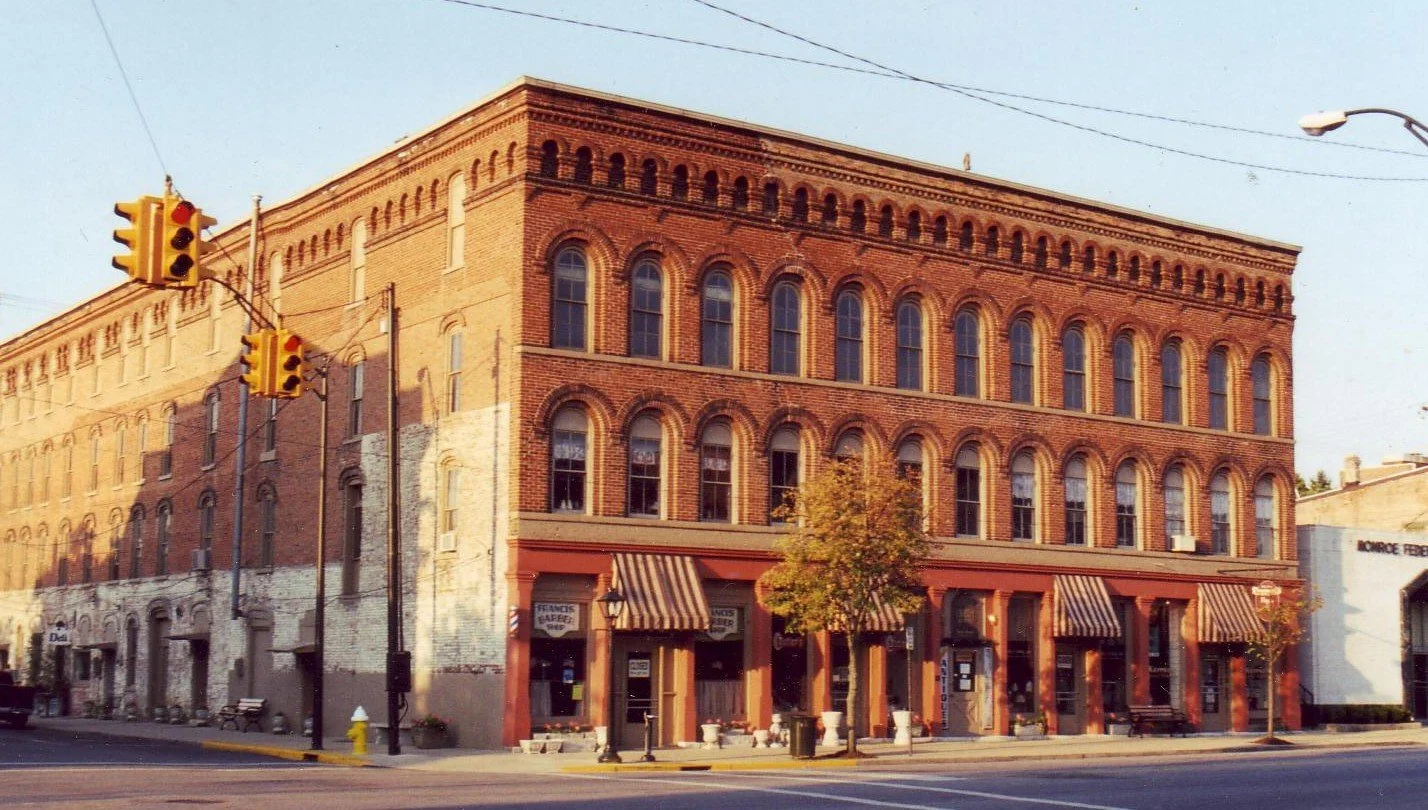
Up in Tipp City along I-75, commercial and light-industrial roofs catch open-country weather, so we detail edges and drainage to handle Miami Valley wind and rain.
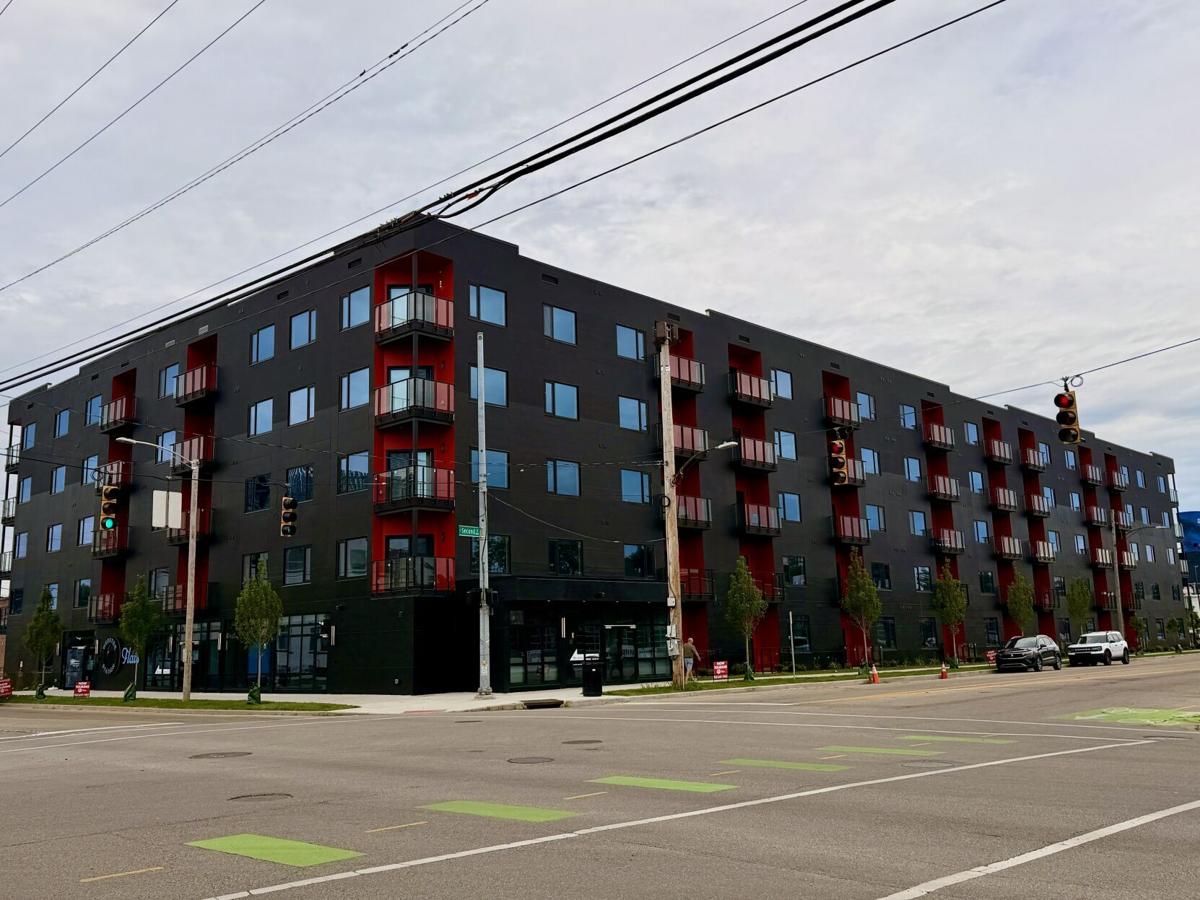
Webster Station's converted warehouses and offices near downtown Dayton carry mixed-era roofs, so we read each assembly before choosing repair, recover, or replacement.
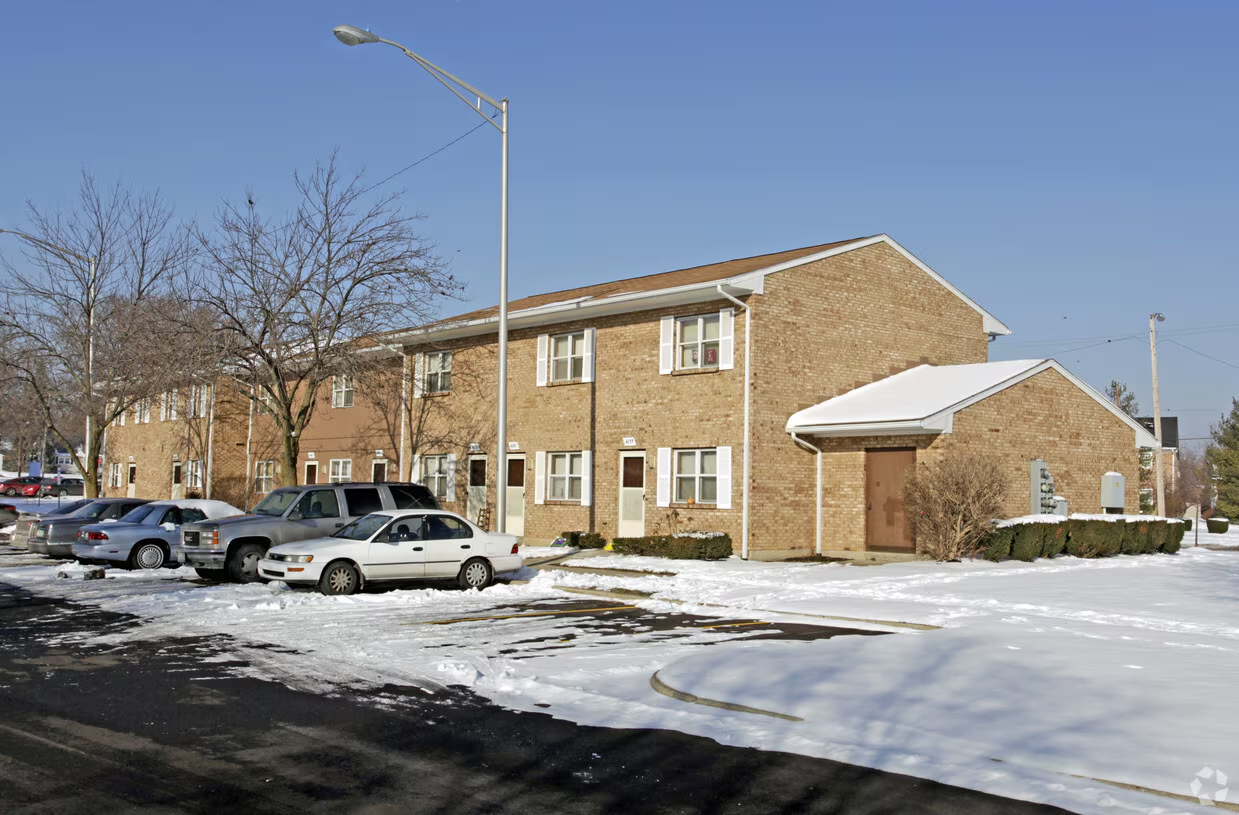
Riverside borders Wright-Patterson and the Mad River corridor, so its commercial and base-adjacent roofs get access planning and drainage tuned to the low-lying ground.
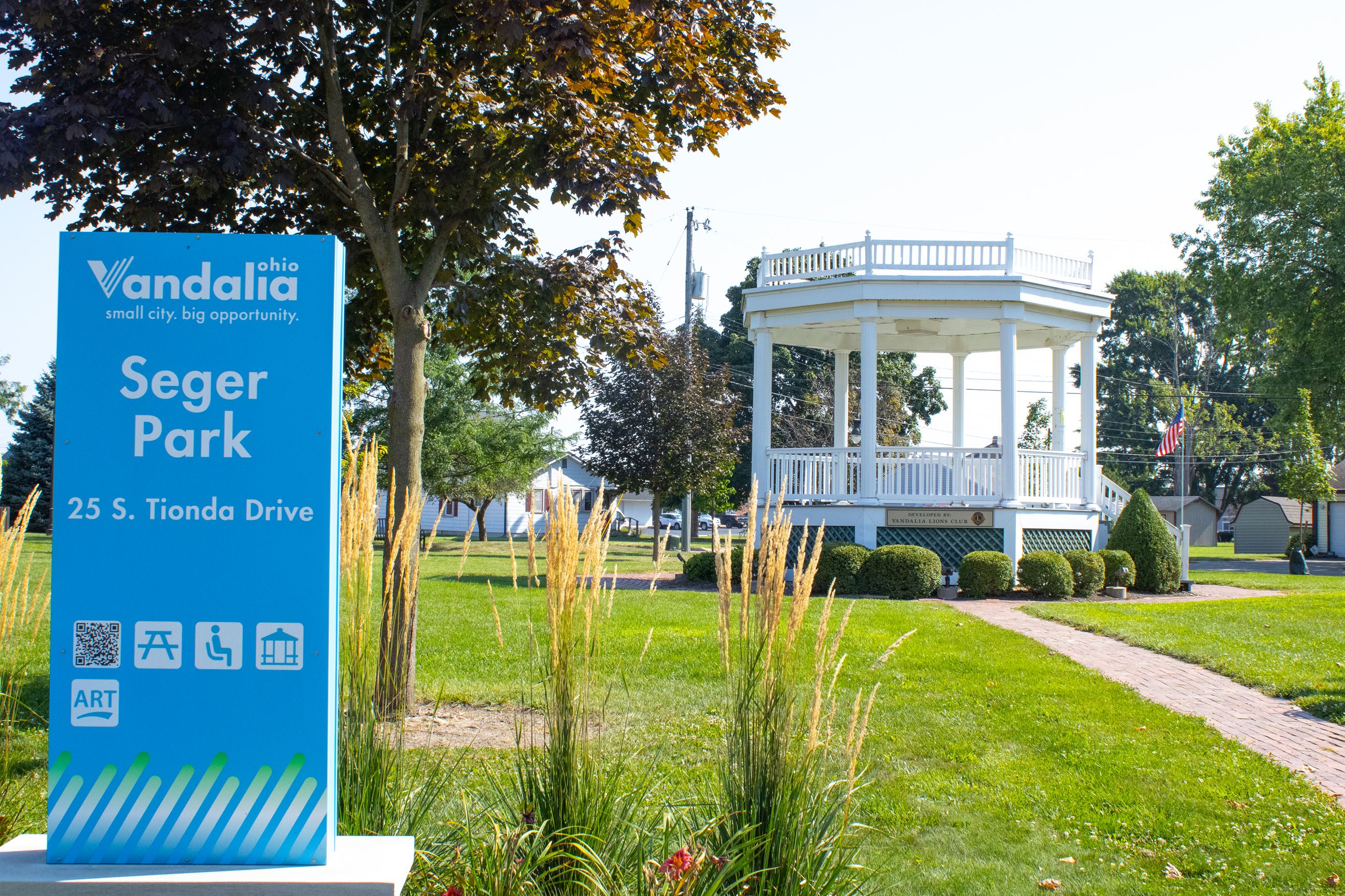
Vandalia's airport-adjacent logistics and retail roofs sit at the I-70/I-75 crossroads, so we keep wide low-slope spans draining and staged around heavy freight traffic.
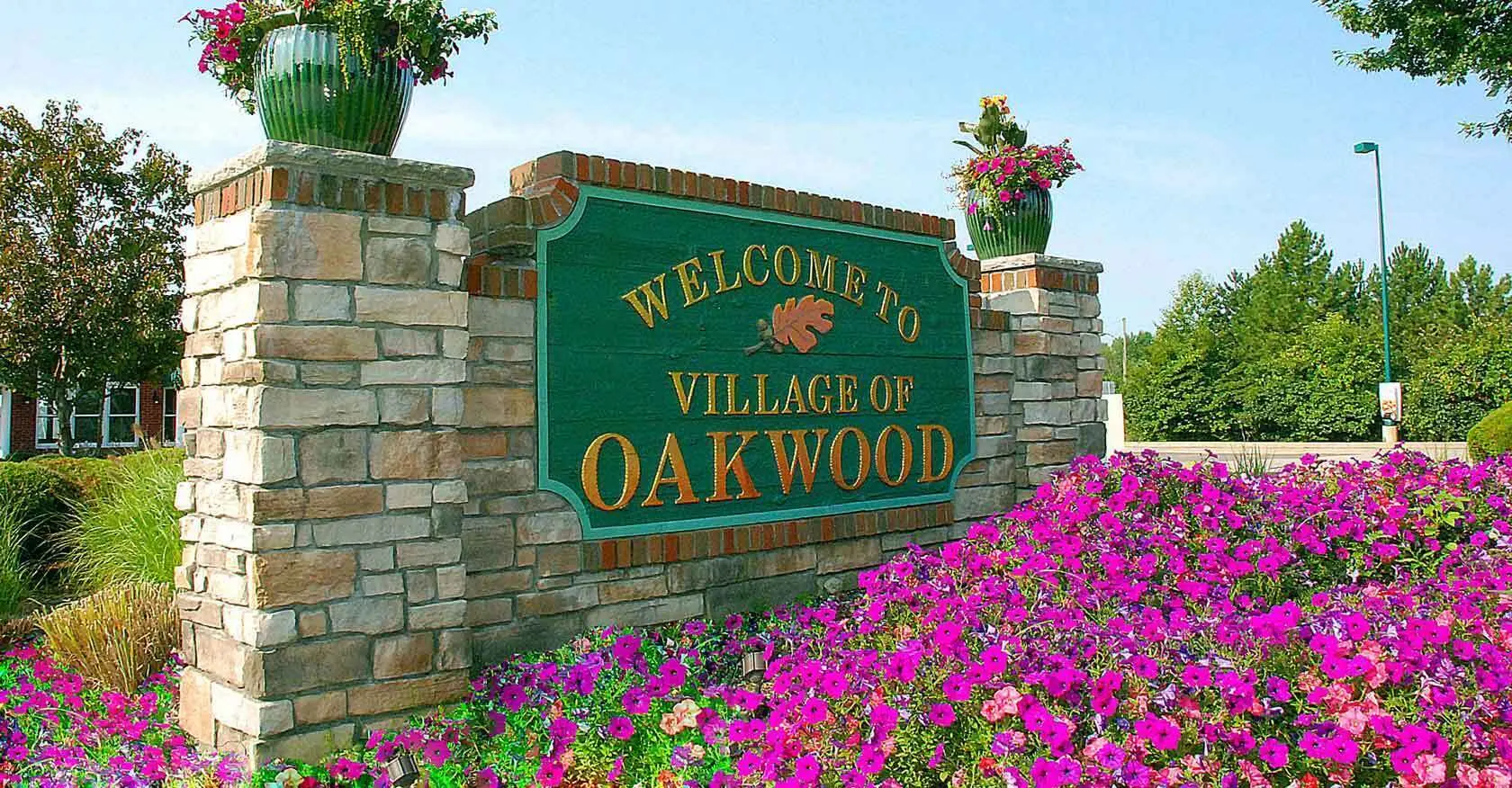
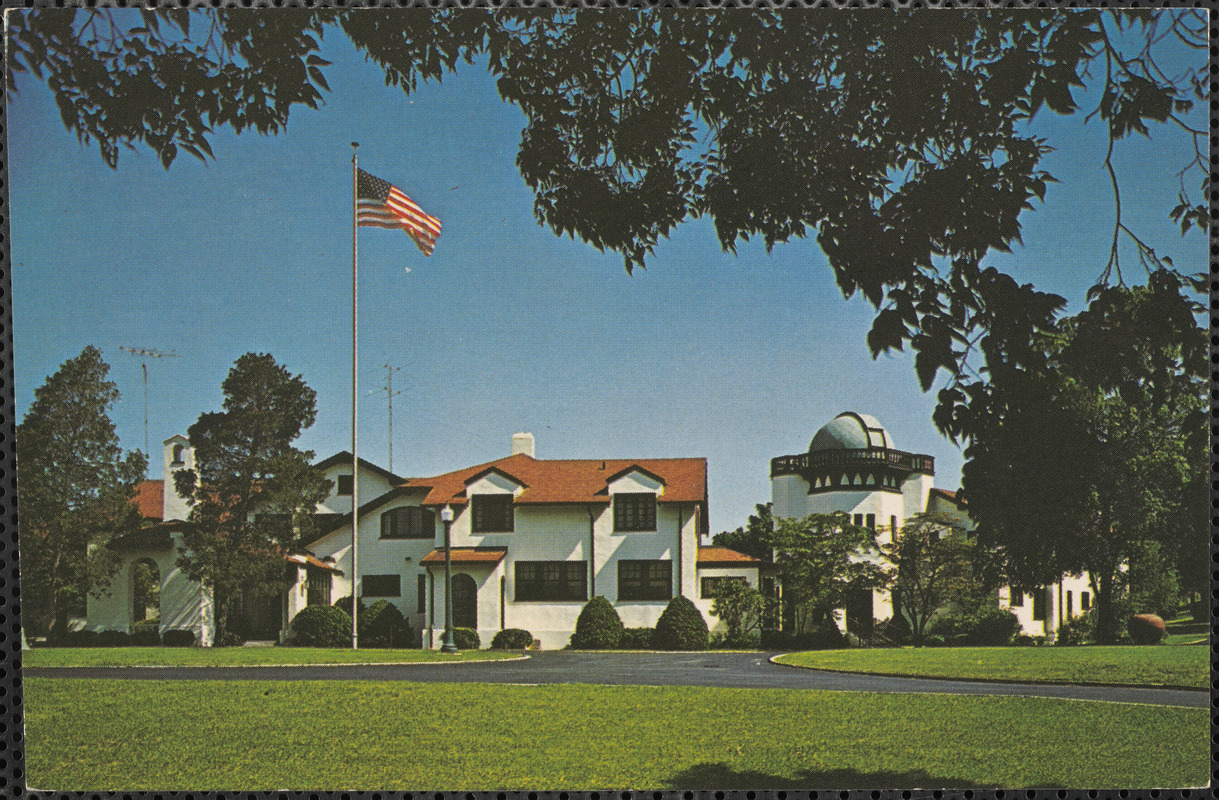
Oakwood's older commercial buildings and institutions sit among established neighborhoods, so we phase roof work with care for occupied space and historic detailing.
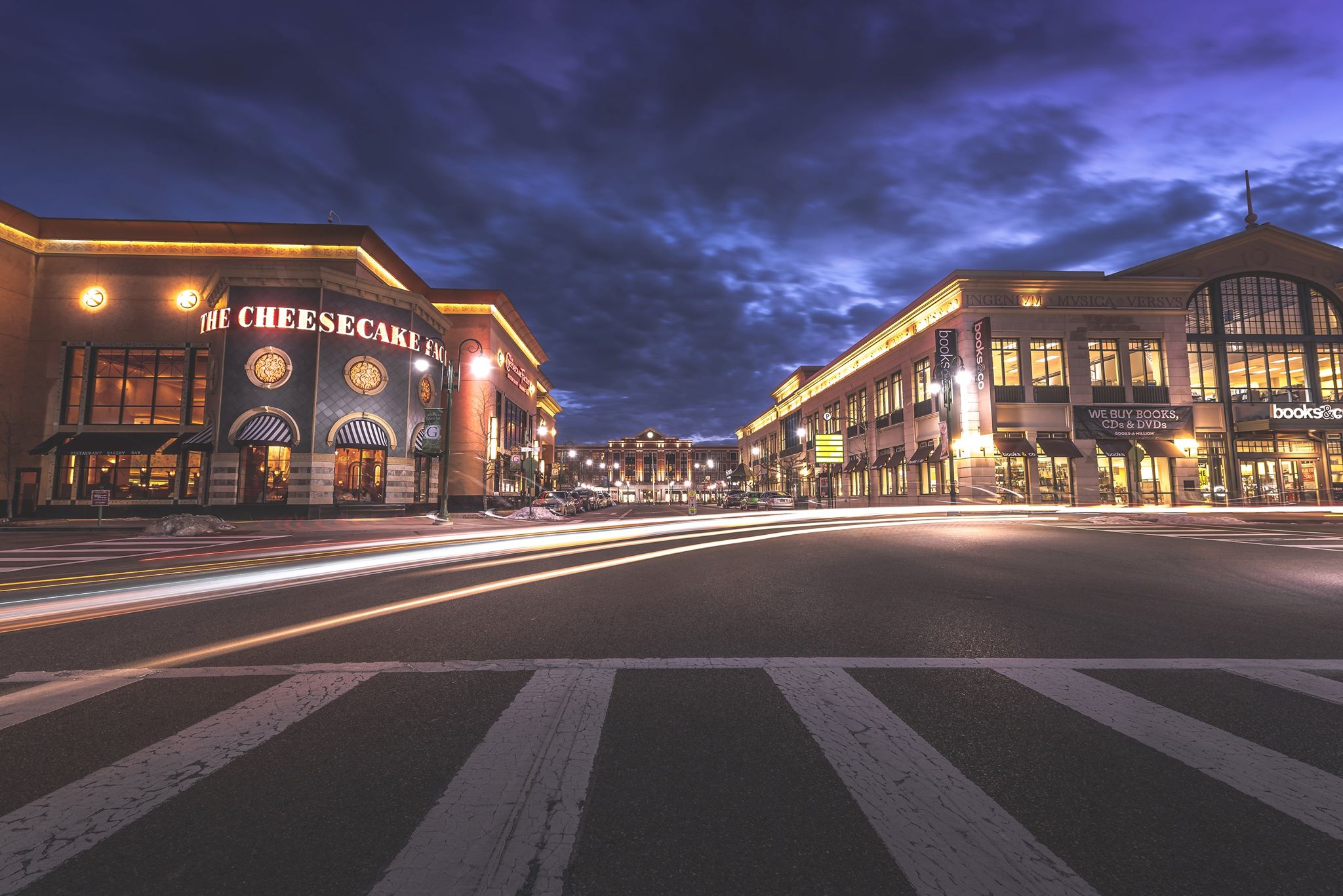
Beavercreek's retail corridors and tech-park buildings keep us moving between storefront and office roofs, each scoped to the building's age and rooftop equipment.
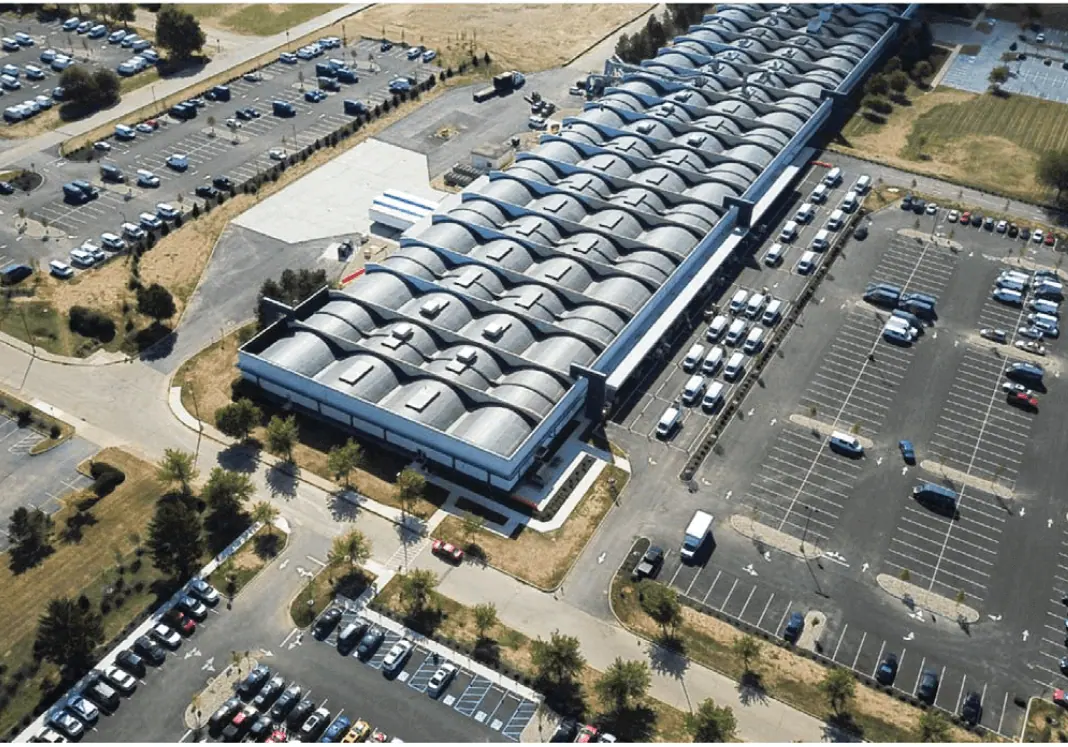
Moraine's large industrial and former auto-plant roofs cover sprawling low-slope acres, so we focus on dependable drainage and sealing around heavy process equipment.
The Byers Road Industrial Park packs warehouse and light-manufacturing roofs, where we keep wide membrane spans draining and sealed around process exhaust and dock doors.
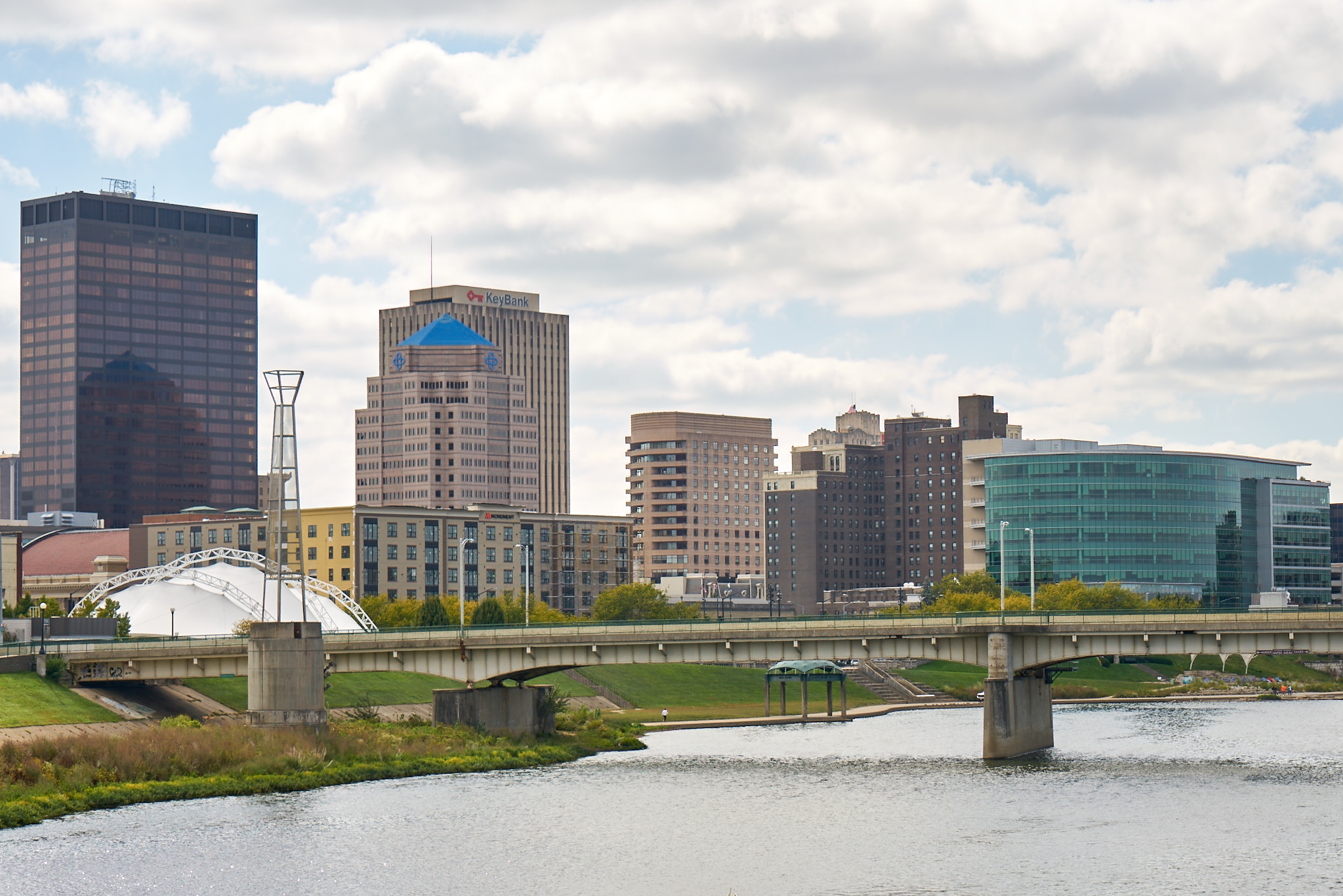
Downtown Dayton's mix of historic and modern buildings sits on crowded blocks, so roof work here means crane logistics, noise limits, and protecting occupied floors.
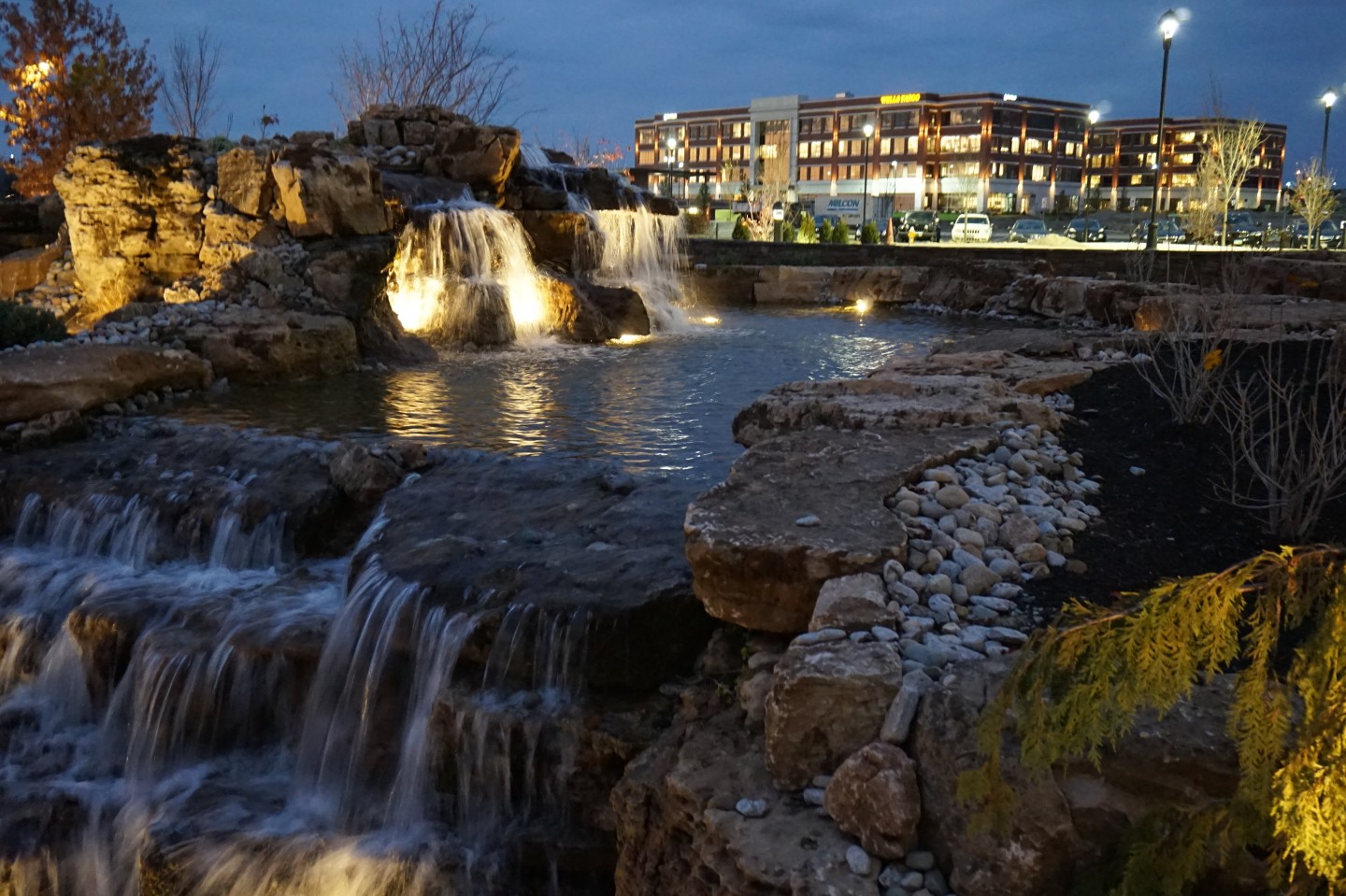
Austin Landing's mix of offices, retail, and restaurants sits on busy ground, so we phase roof work around customer traffic and protect each tenant's rooftop units.
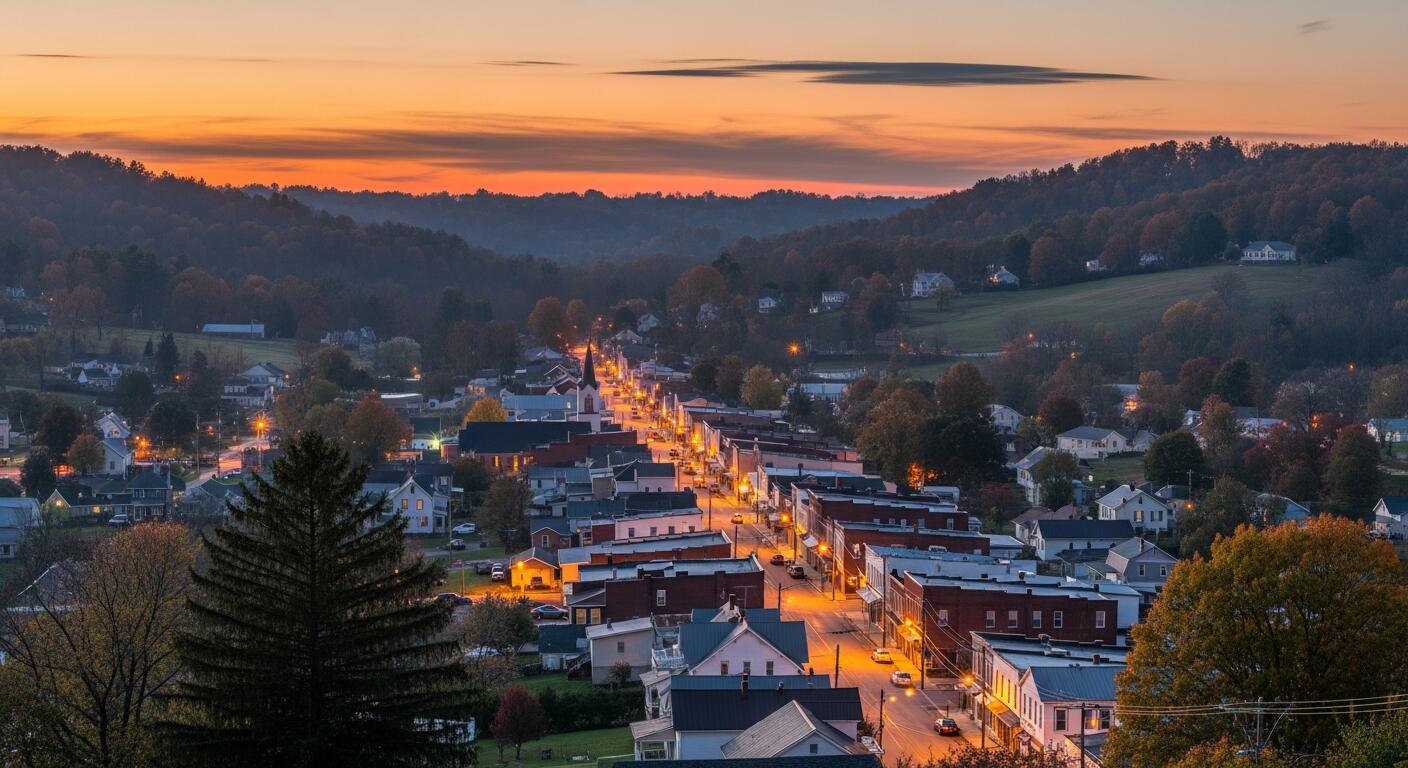
Belmont's older commercial blocks east of downtown Dayton carry aging low-slope roofs, so we weigh recover against tear-off based on what the deck and insulation reveal.
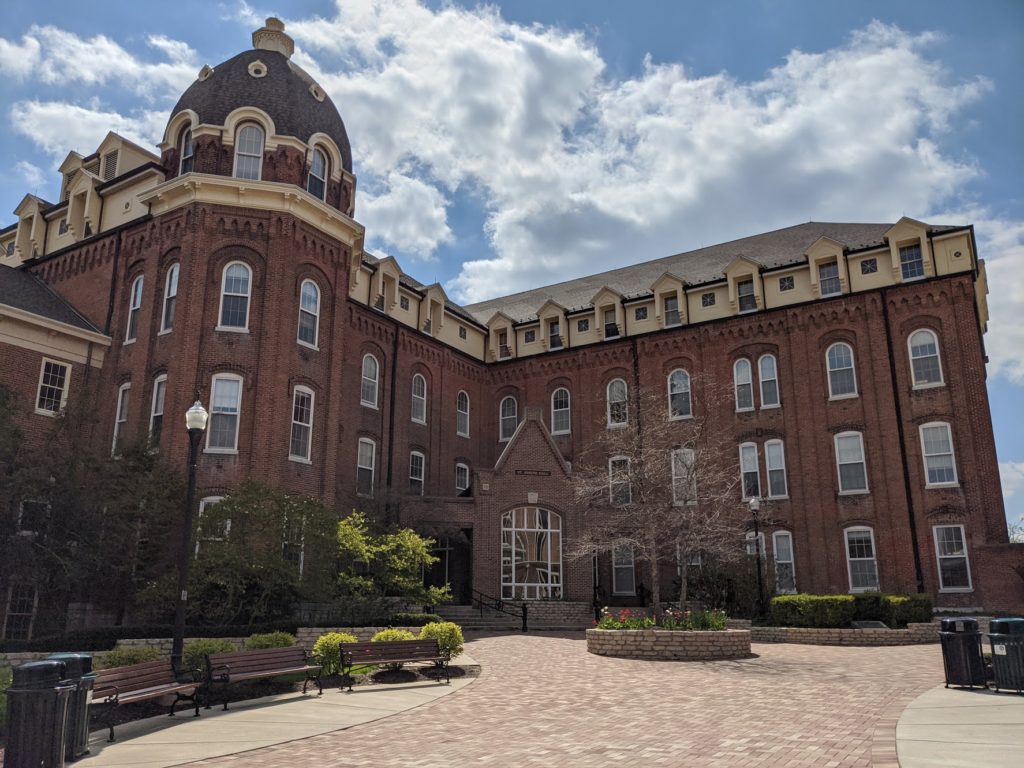
Around the University of Dayton, campus and commercial roofs sit among student life, so we coordinate access and noise windows with the academic calendar.

West Carrollton's industrial and commercial roofs along the river corridor see heavy use, so we keep their low-slope membranes draining and sealed around process equipment.
Roof work in Ascent Industrial Park means large low-slope spans over active tenants, so we plan staging and drainage around the park's loading docks and truck routes.
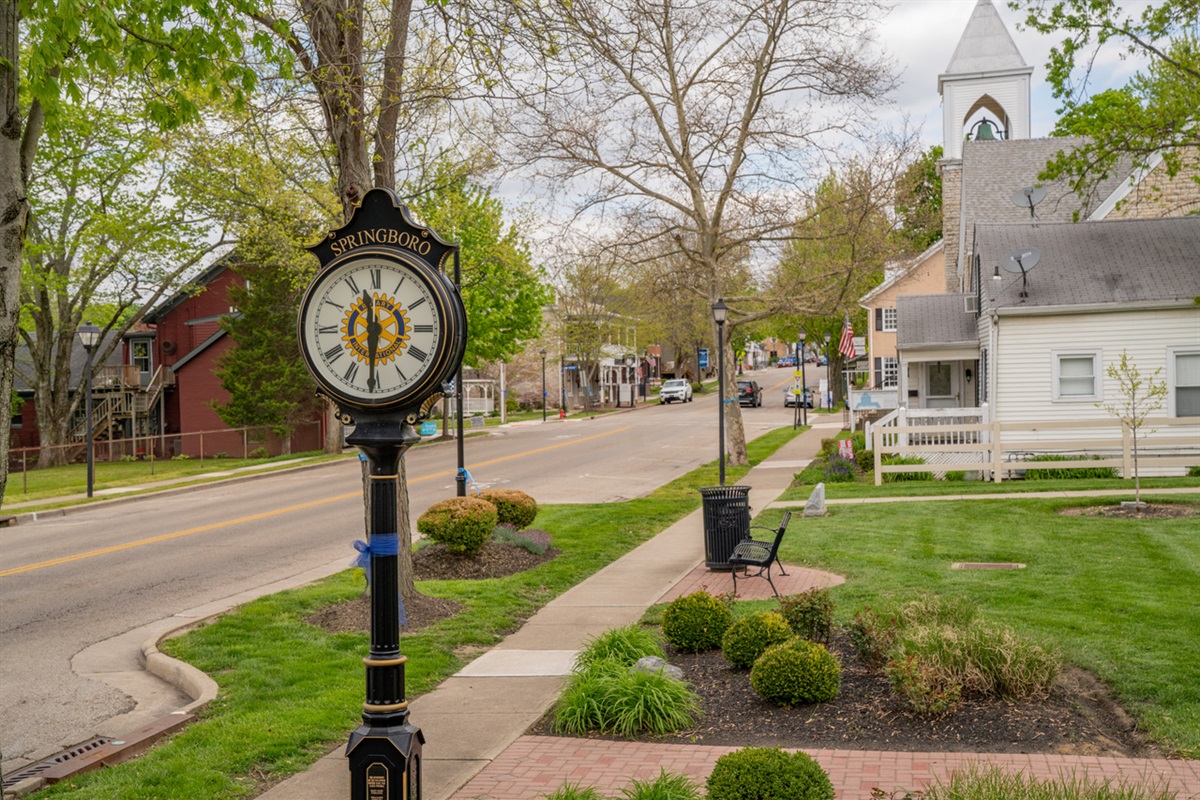
Springboro's growing retail and office corridors along the county line keep us on newer low-slope roofs, scoped around tenants and the drainage each flat span needs.
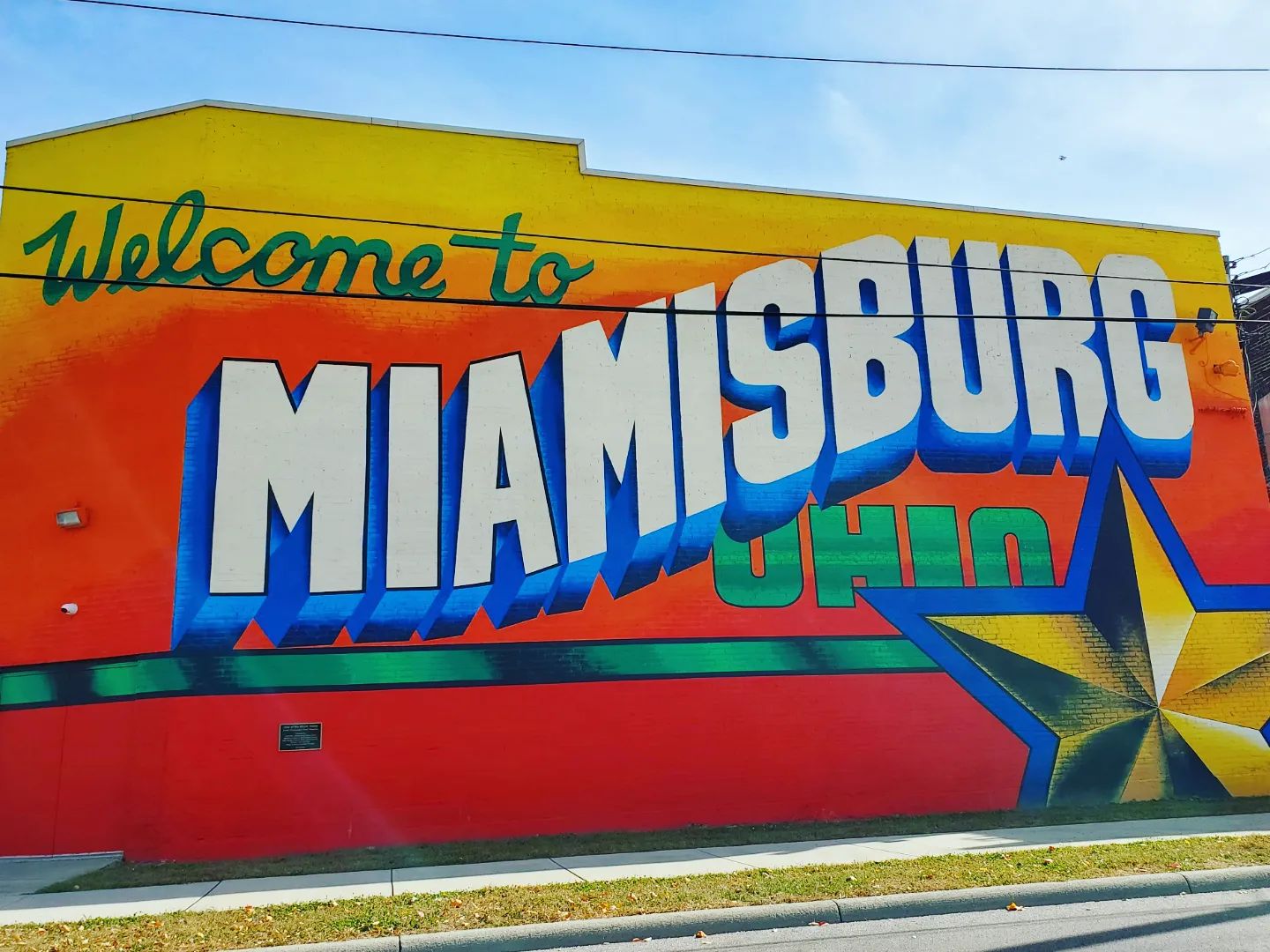
Miamisburg's mix of riverfront industry and suburban retail along I-75 gives us varied roofs, each scoped to its building stock and the drainage the site demands.
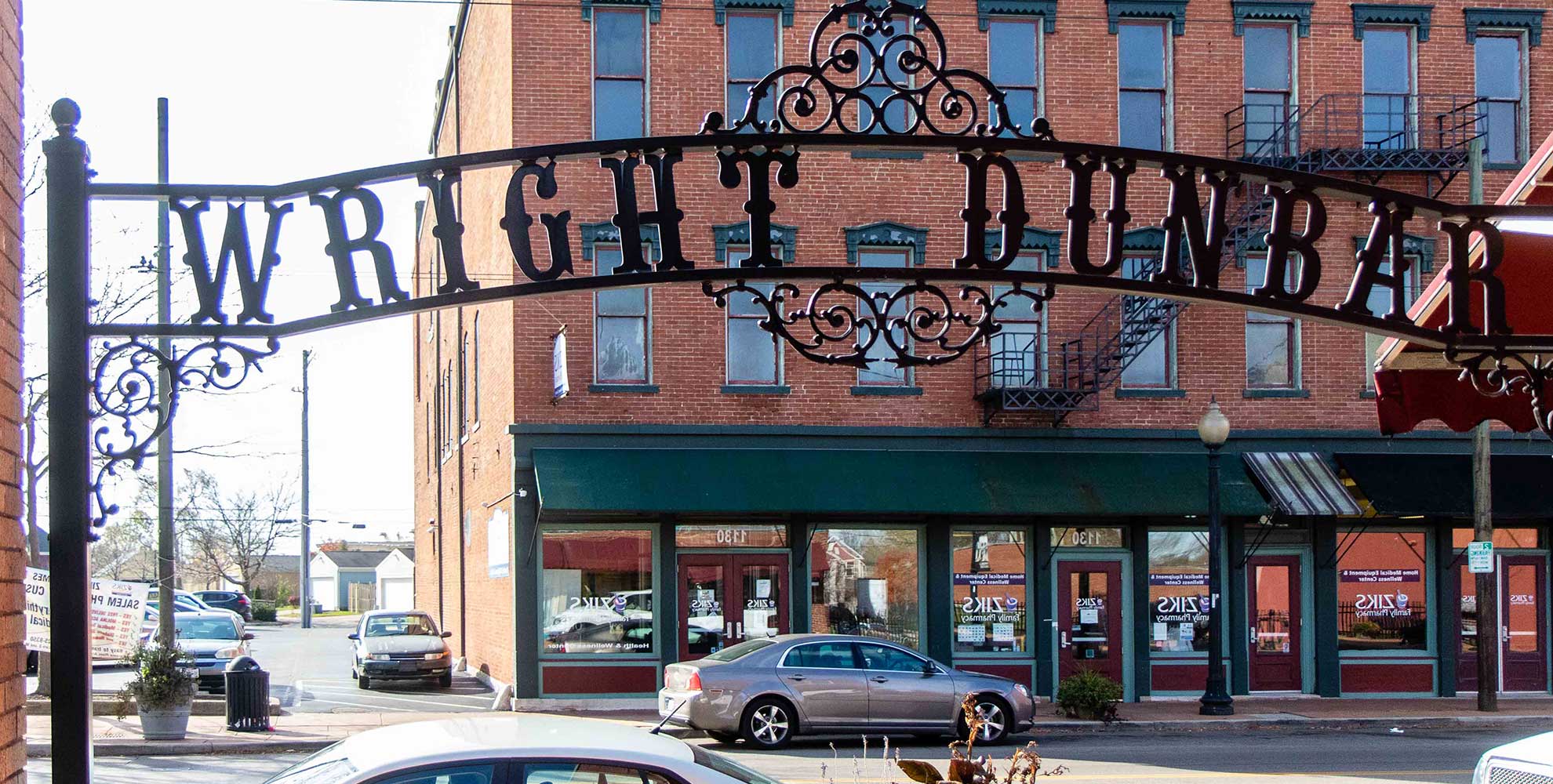
Wright-Dunbar's historic buildings west of downtown Dayton carry older roof assemblies, so we pair preservation-minded detailing with durable, leak-stopping repairs.
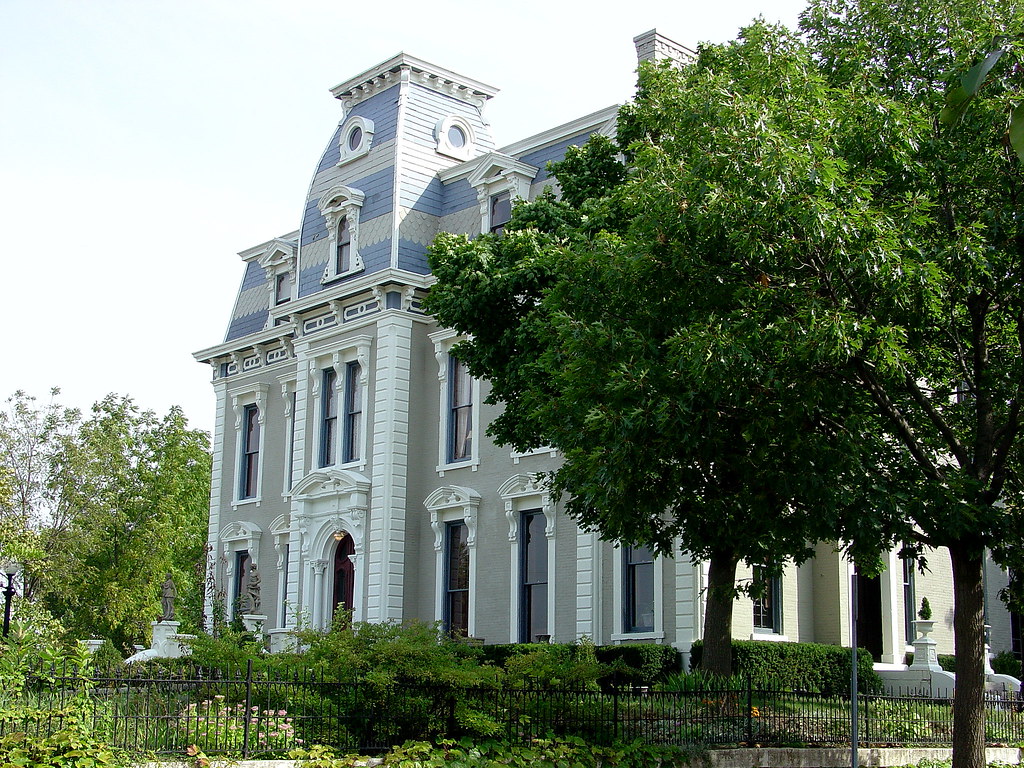
St. Anne's Hill's historic buildings east of downtown carry older roof assemblies, so we balance preservation-minded detailing with stopping the leaks that age brings.
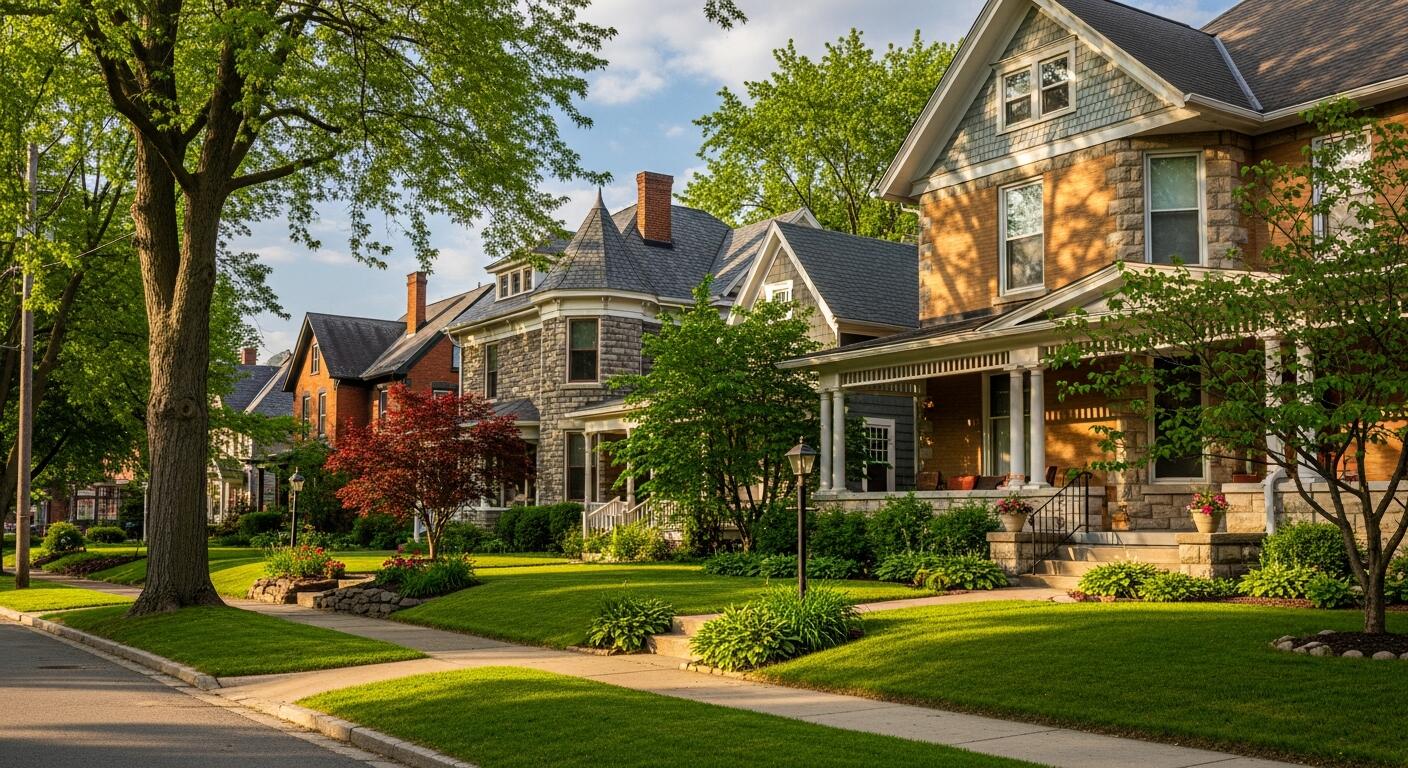
Clayton's commercial and light-industrial buildings northwest of Dayton take open-country wind, so we focus on tight terminations and drainage that handles Ohio downpours.

Kettering's medical buildings, offices, and shopping centers keep us moving between sensitive interiors and busy retail roofs, each scoped around the tenants below.
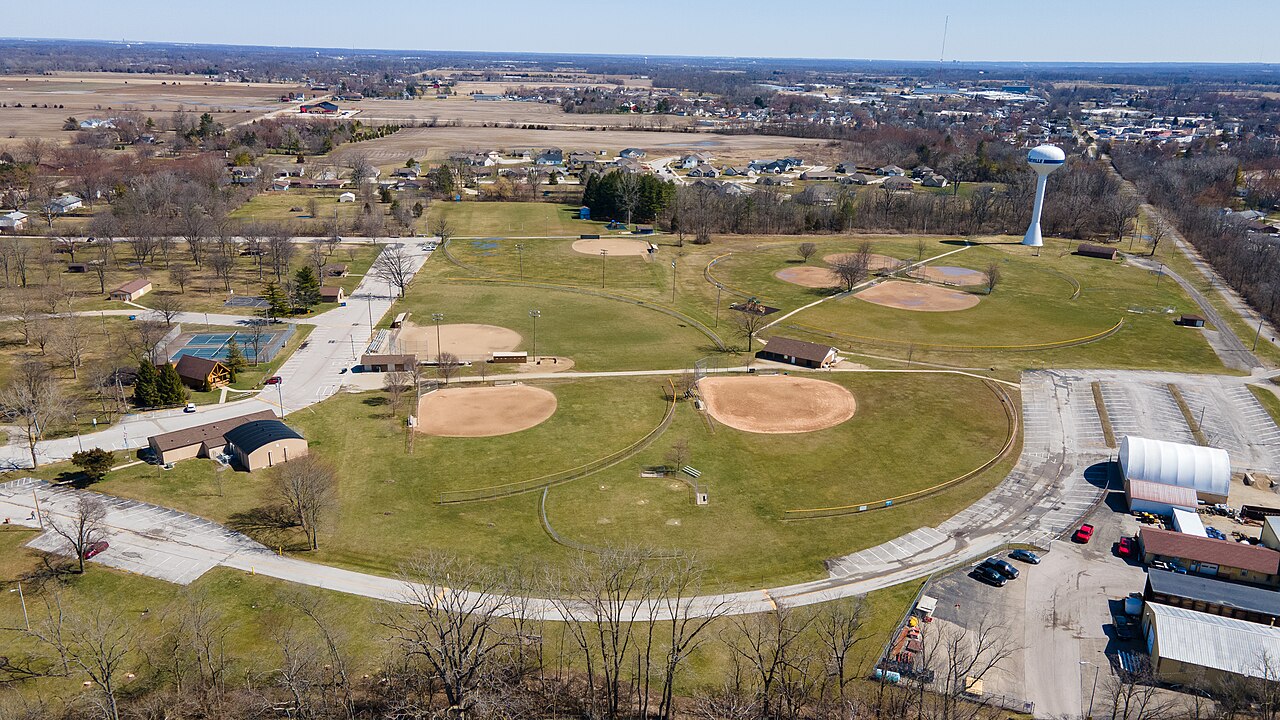
Out toward Brookville, exposed roofs catch the full brunt of Miami Valley wind and storms, so edge metal and uplift detailing get extra attention in our repairs.
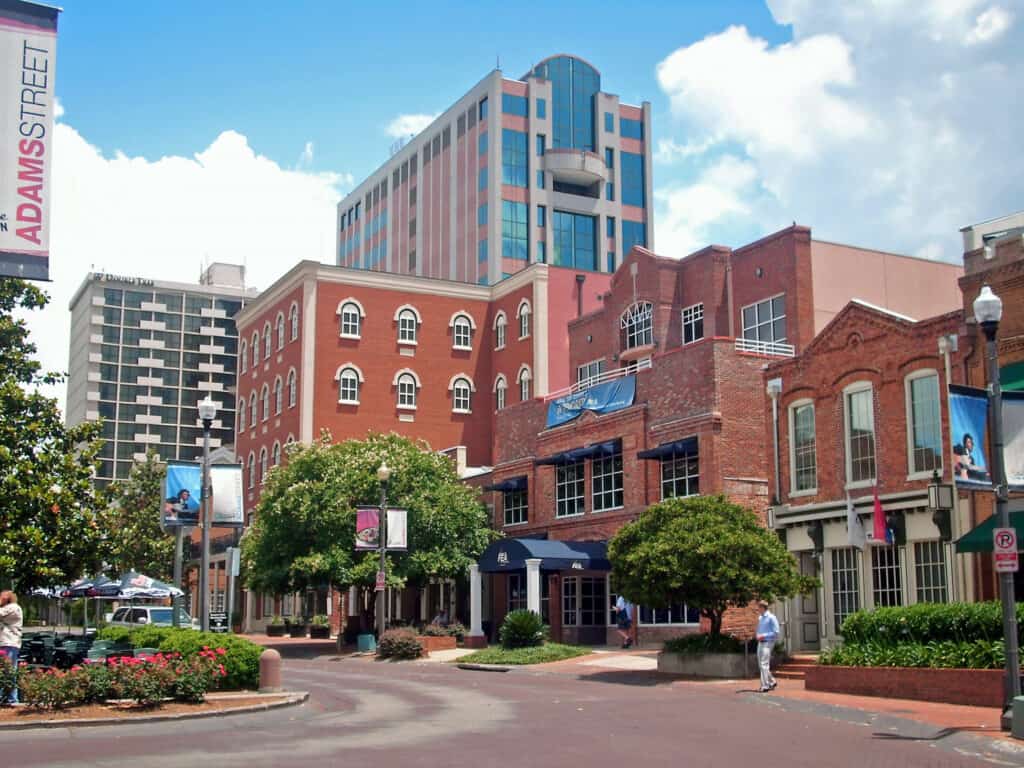
The Water Street District's newer riverfront buildings sit on tight downtown blocks near the Great Miami, so roof work here means crane planning and careful drainage.
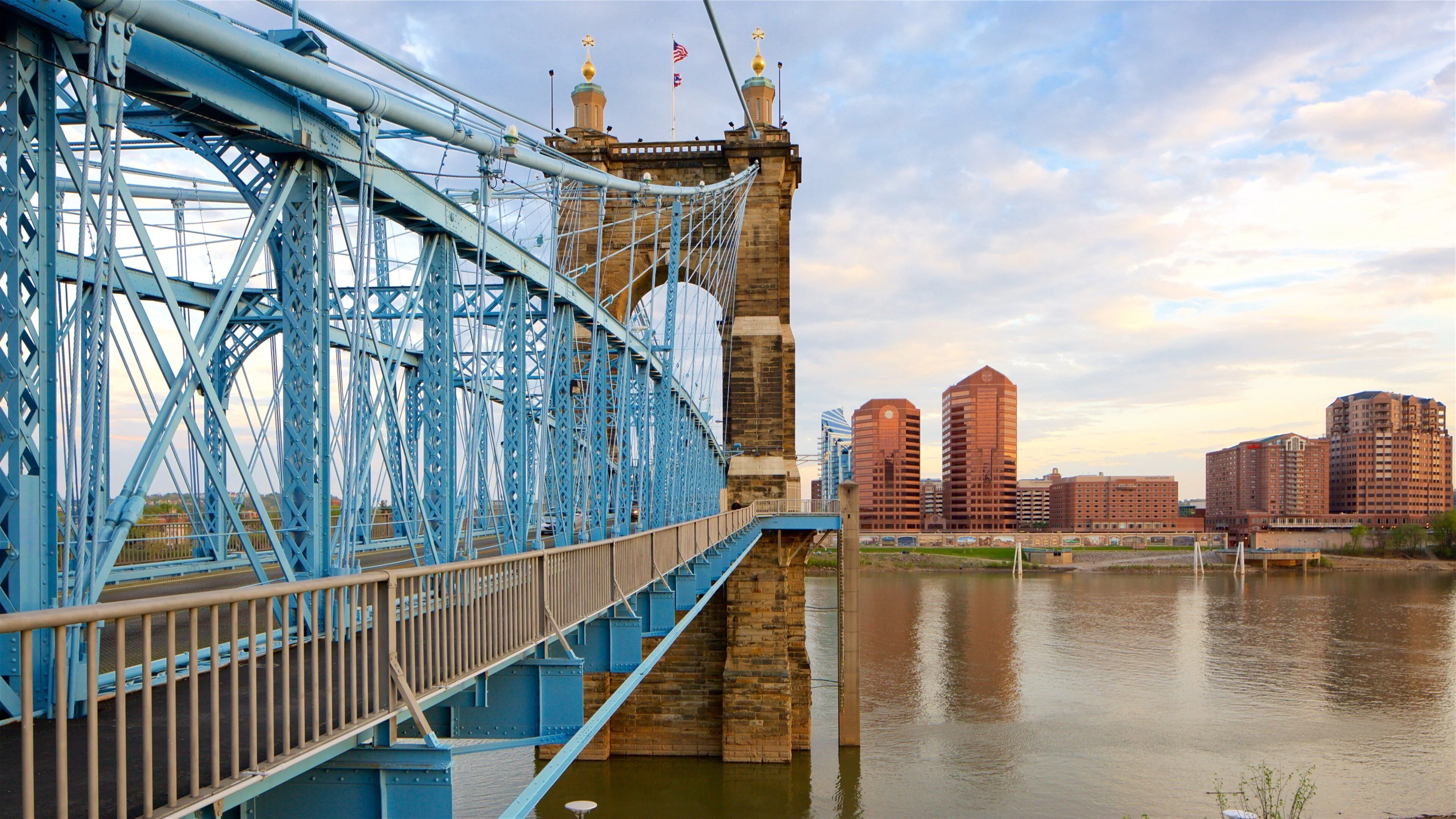
Downtown Dayton's CBD packs taller buildings and tight streets, so roof access often means crane planning and noise windows coordinated block by block.
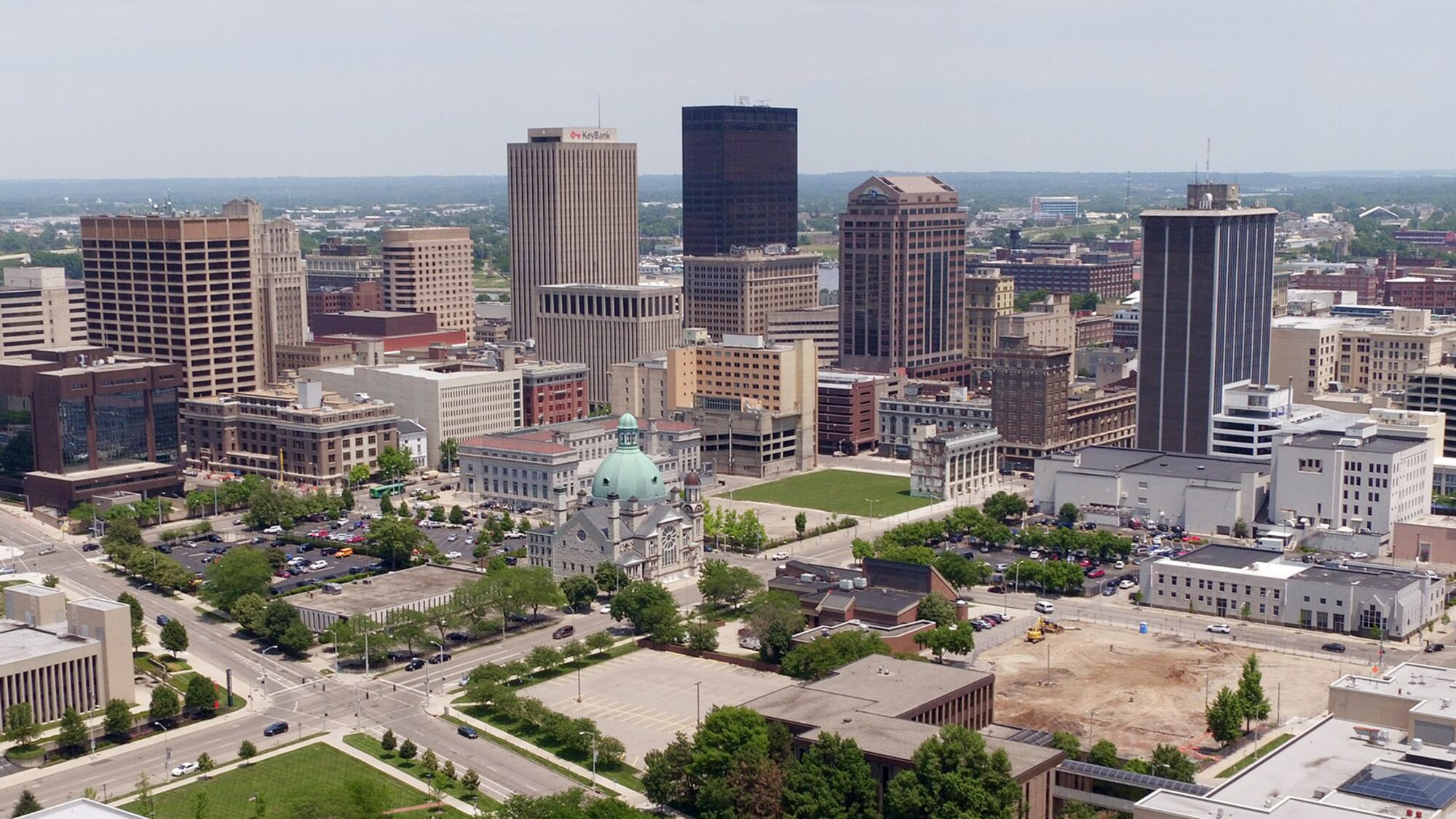
Old North Dayton's industrial and commercial stock dates back decades, so we read each aging low-slope roof carefully before choosing repair, recover, or full replacement.
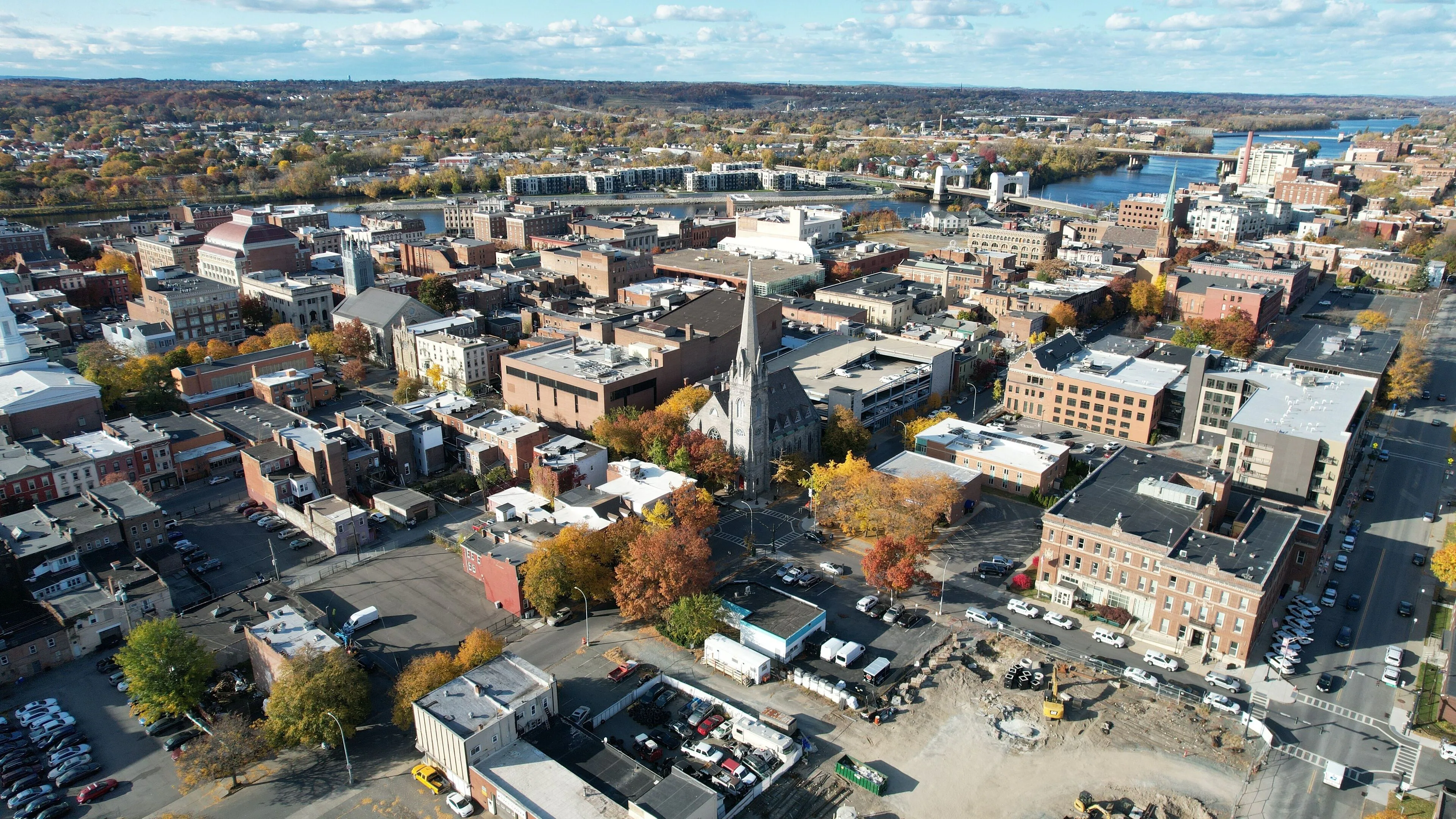
Troy's downtown commercial blocks and Miami County industry give us a range of roofs, each scoped to its age and the drainage the Great Miami corridor demands.
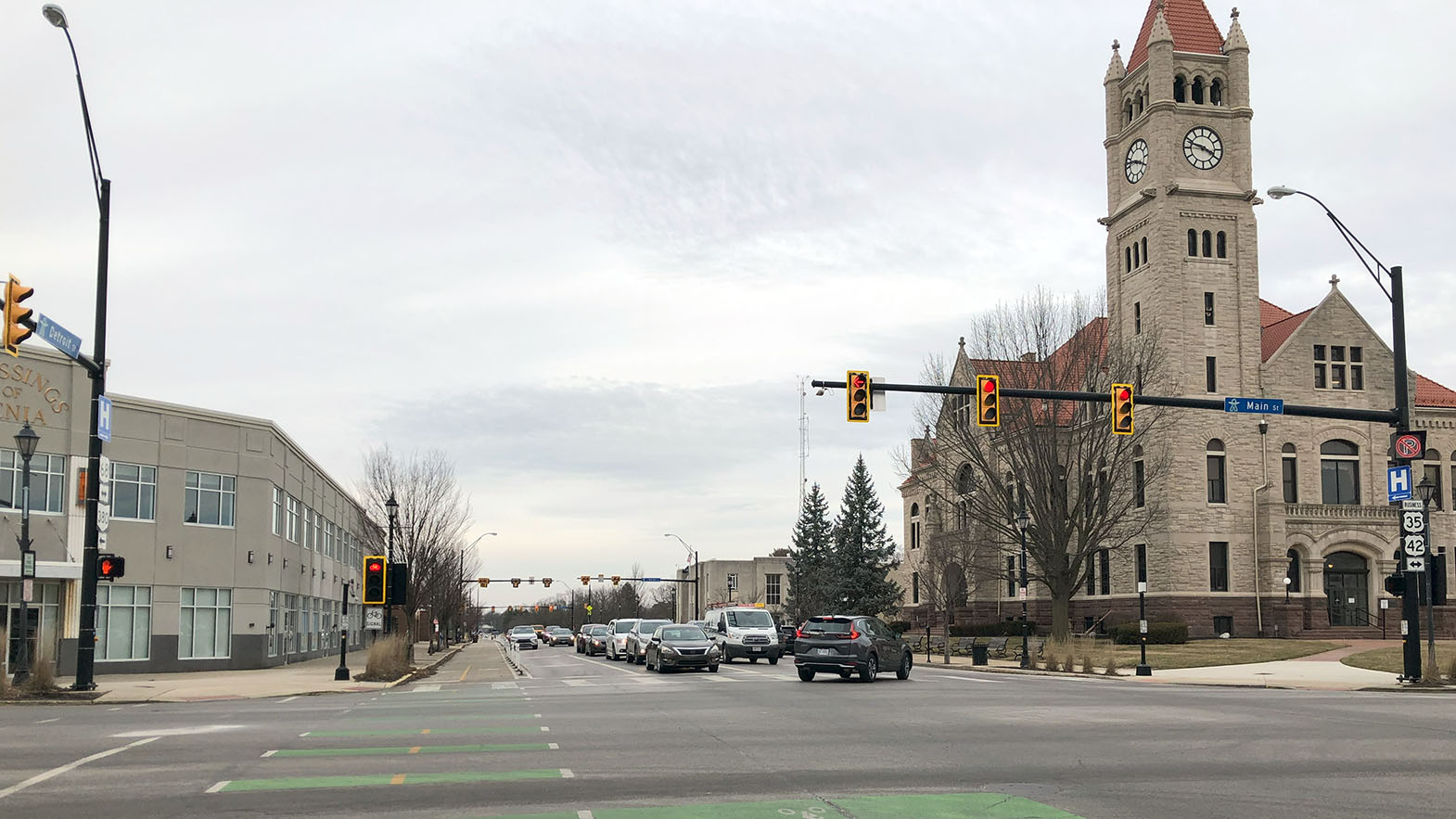
Xenia sits in tornado-aware country southeast of Dayton, so commercial roofs here get hardened edge metal and uplift detailing alongside dependable storm-season drainage.
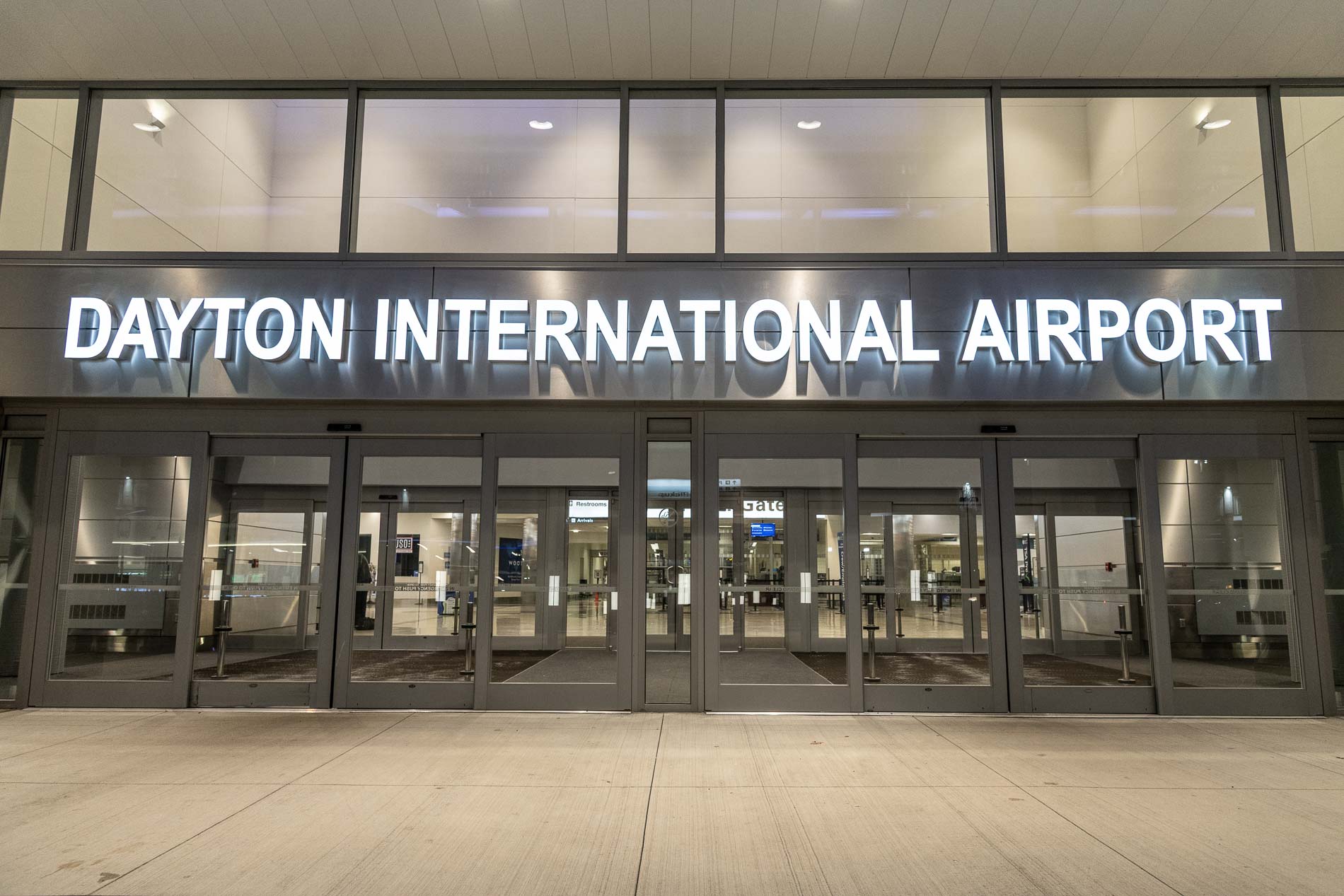
Near the Dayton airport, large logistics and aviation roofs carry heavy loads and strict access rules, so we plan staging and documentation around the airfield environment.
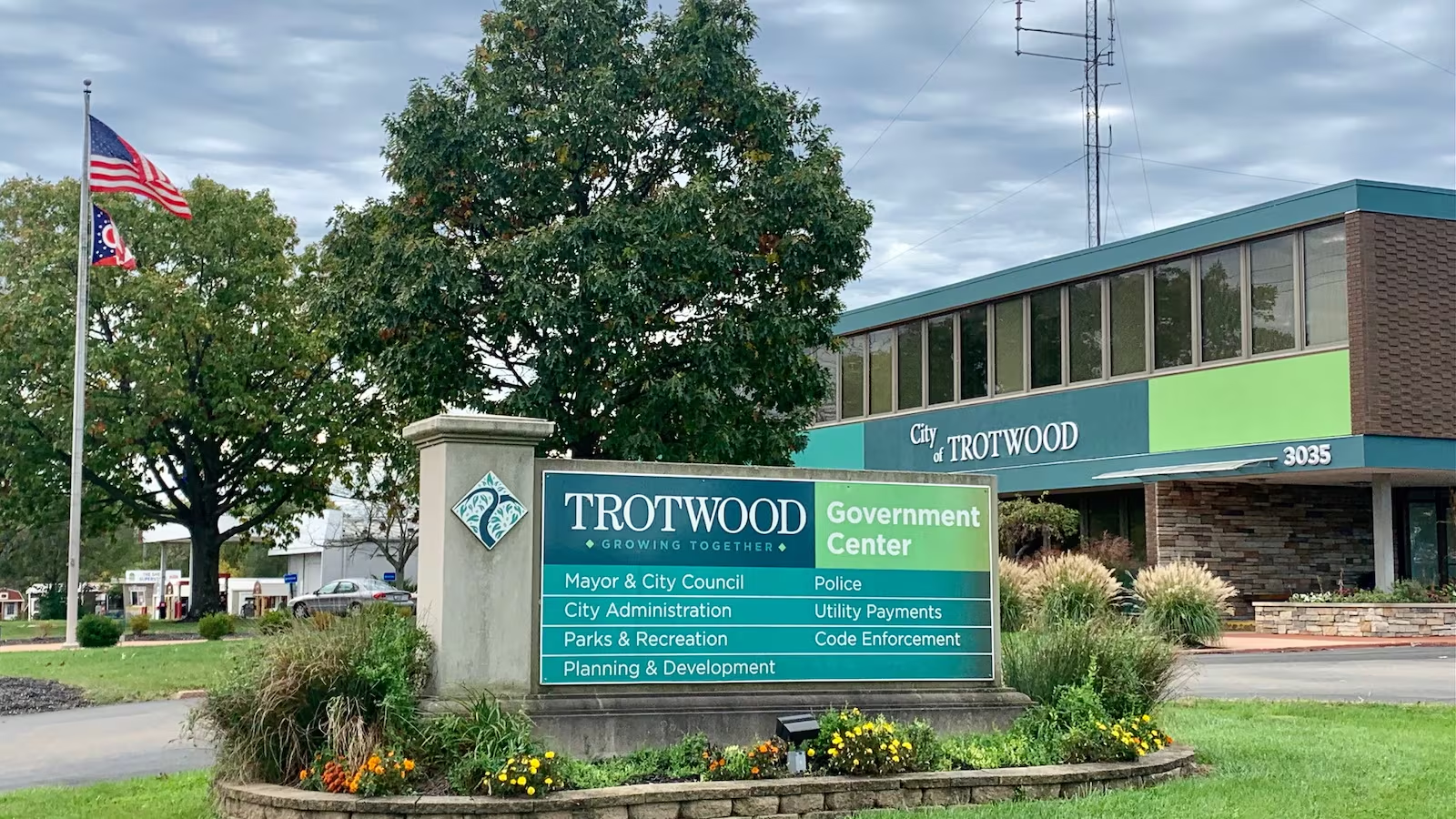
Trotwood's commercial buildings northwest of Dayton take exposed weather, so we focus on tight terminations and drainage built for heavy Ohio rain and freeze-thaw.
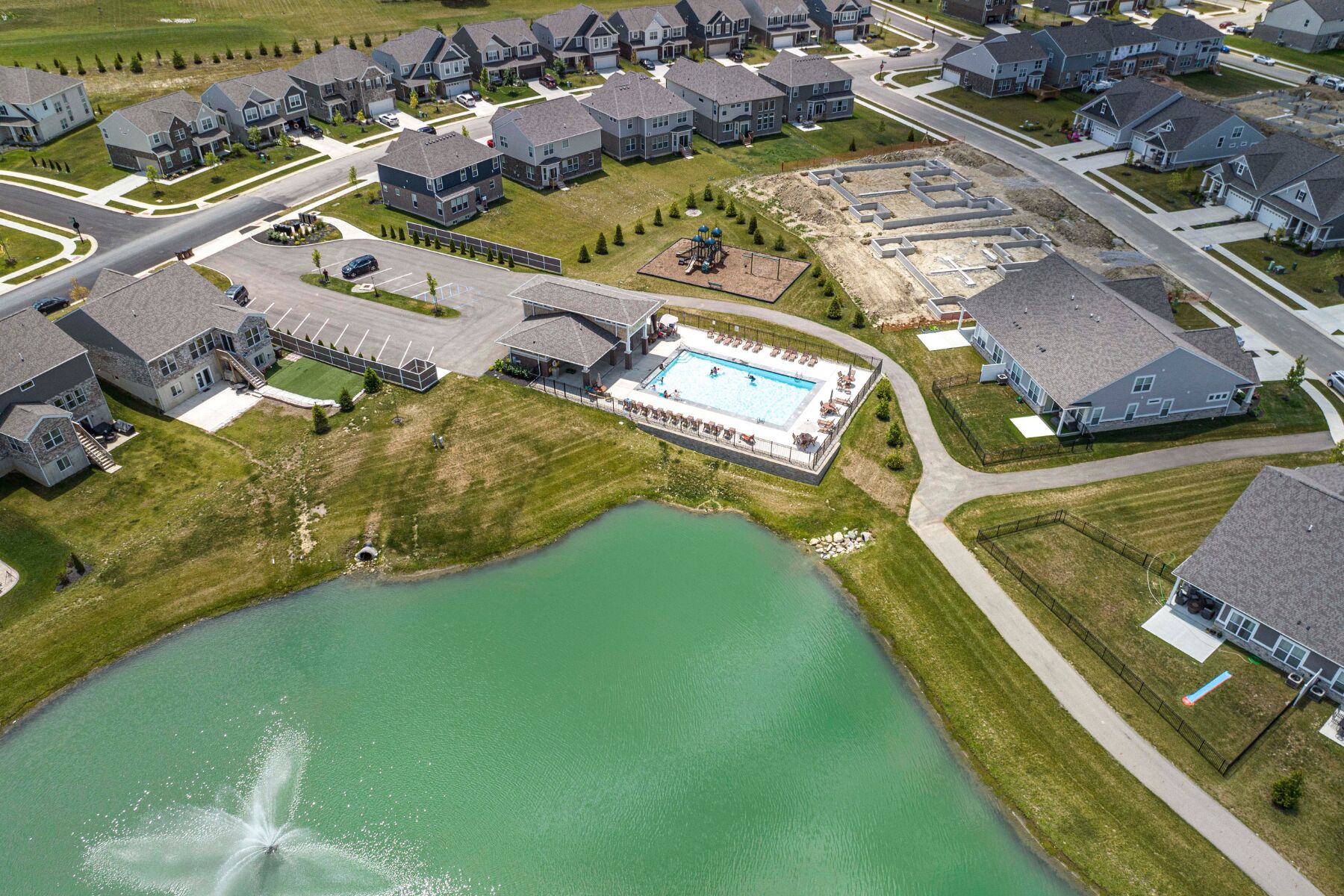
Washington Township's office parks and retail south of Dayton keep tenants busy, so we time roof work around customers and protect the rooftop units feeding each space.
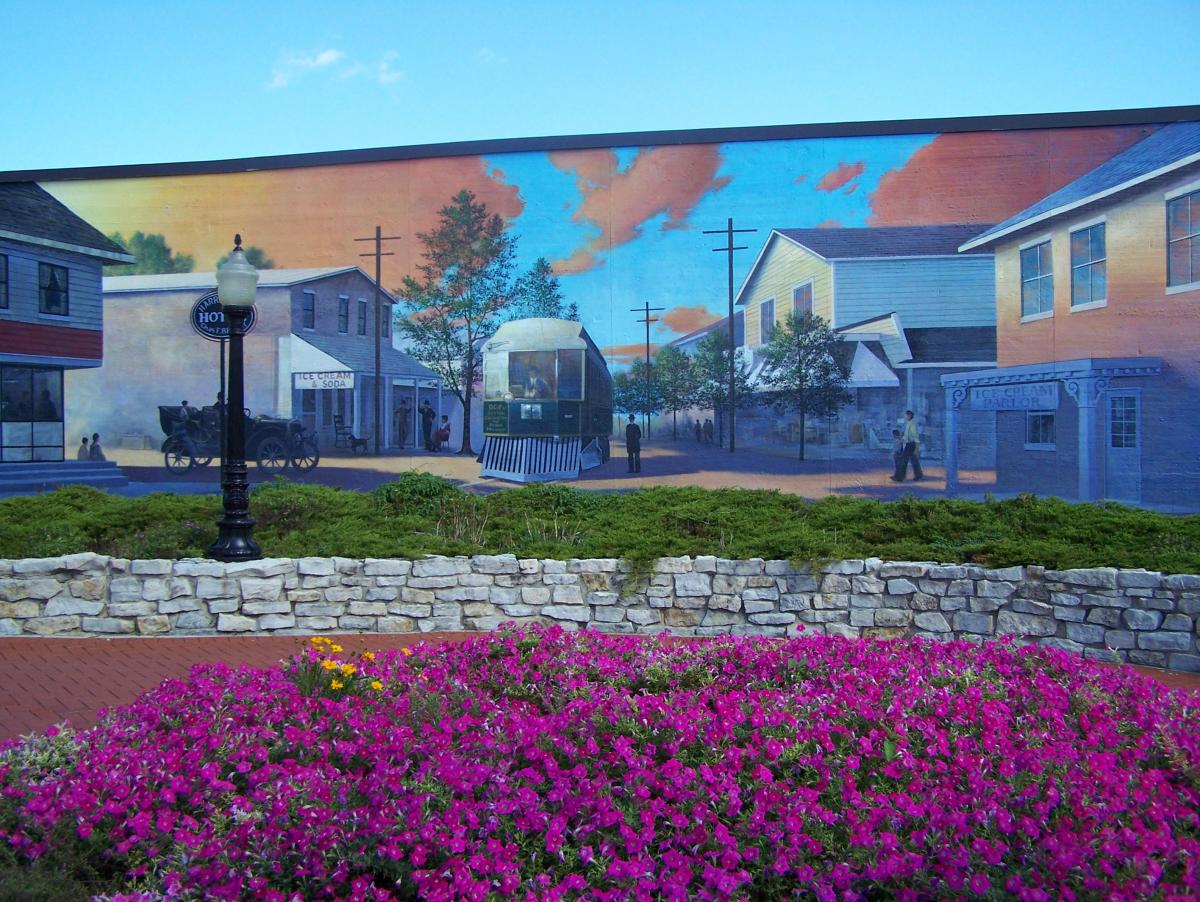
Englewood's commercial buildings along the I-70 corridor catch heavy weather and traffic, so we plan roof staging around the roads and detail edges against straight-line wind.
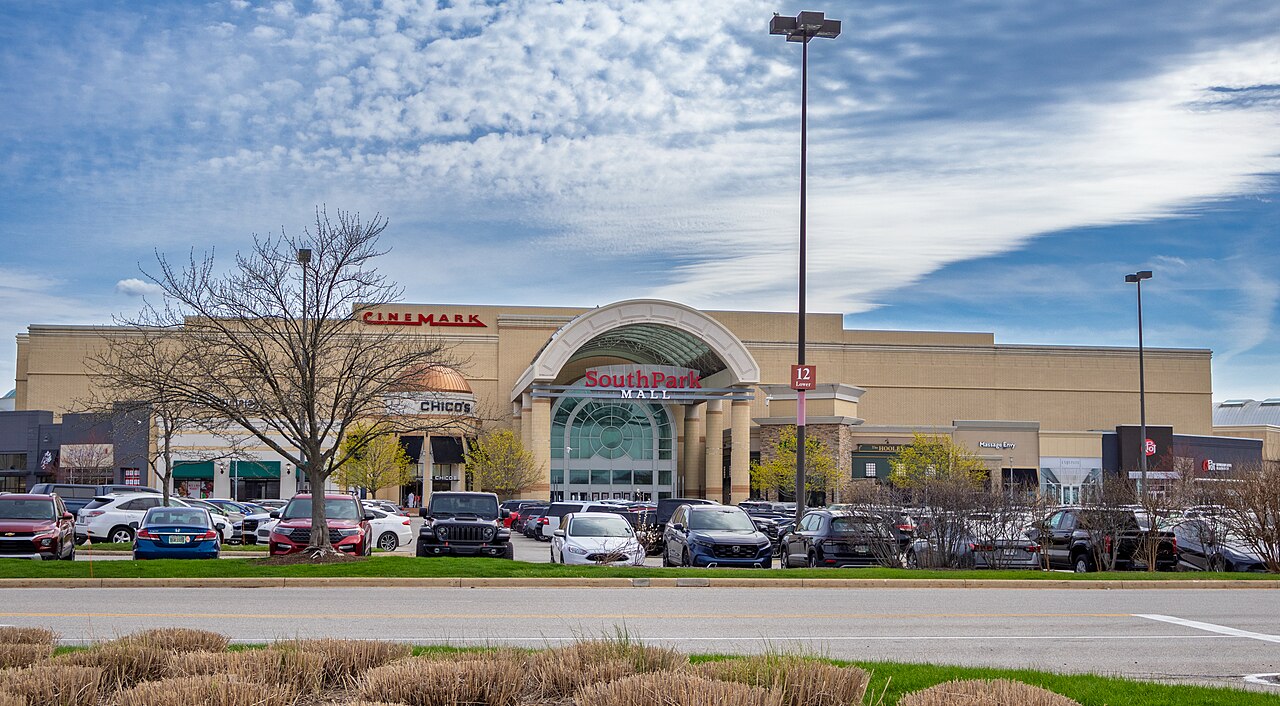
South Park's historic district near downtown Dayton mixes older commercial buildings into a residential fabric, so we keep roof work quiet and the detailing era-appropriate.
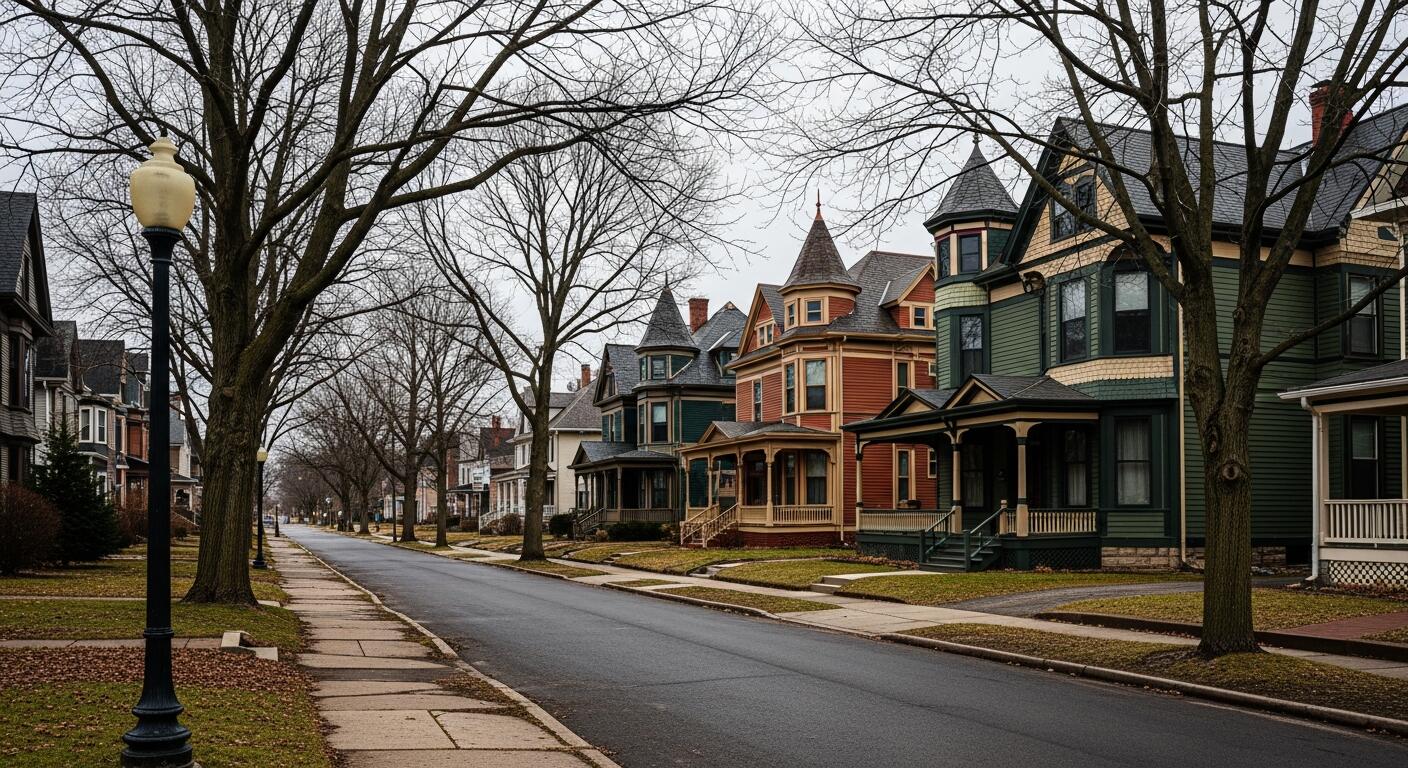
Fairborn sits beside Wright-Patterson, so roof work here often involves base-adjacent tenants and tech buildings, both of which shape how we stage and document the job.
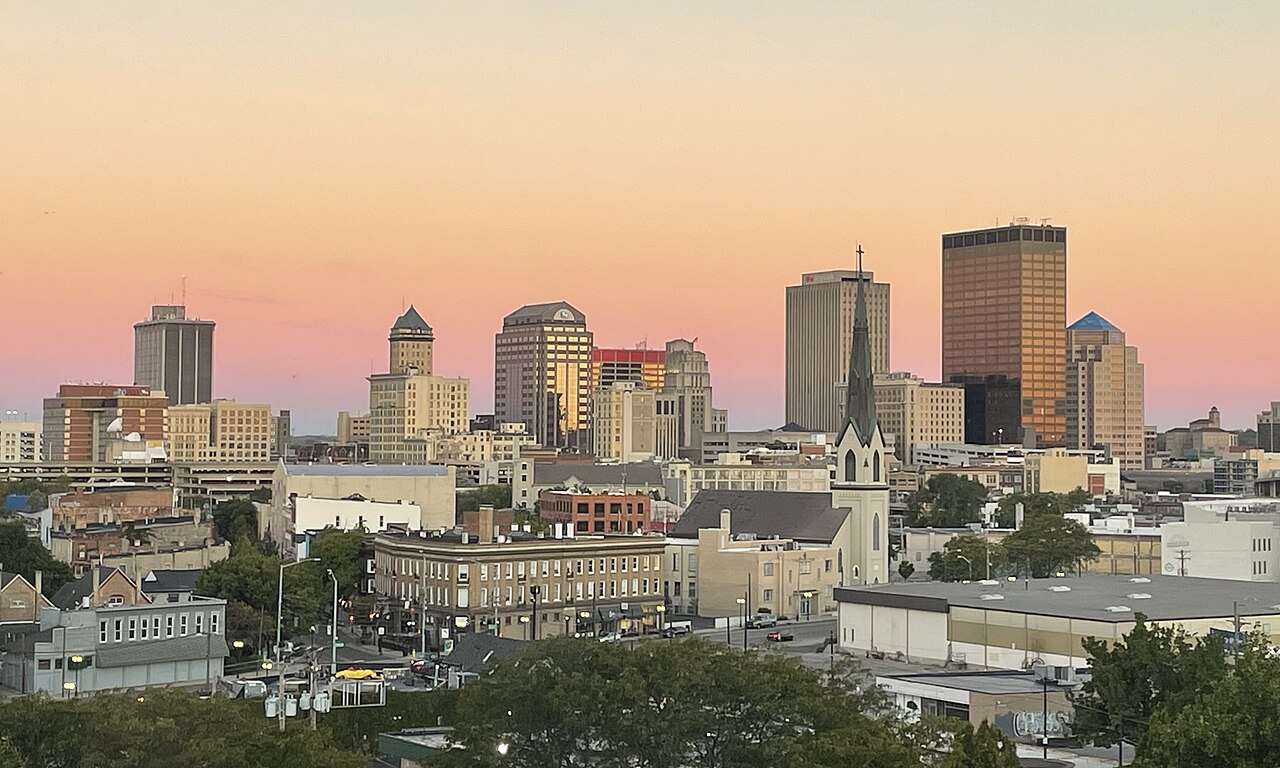
Dayton's downtown high-rises, river-district buildings, and industrial stock all share freeze-thaw and spring-storm stress, and we scope roof work to each building's era.