
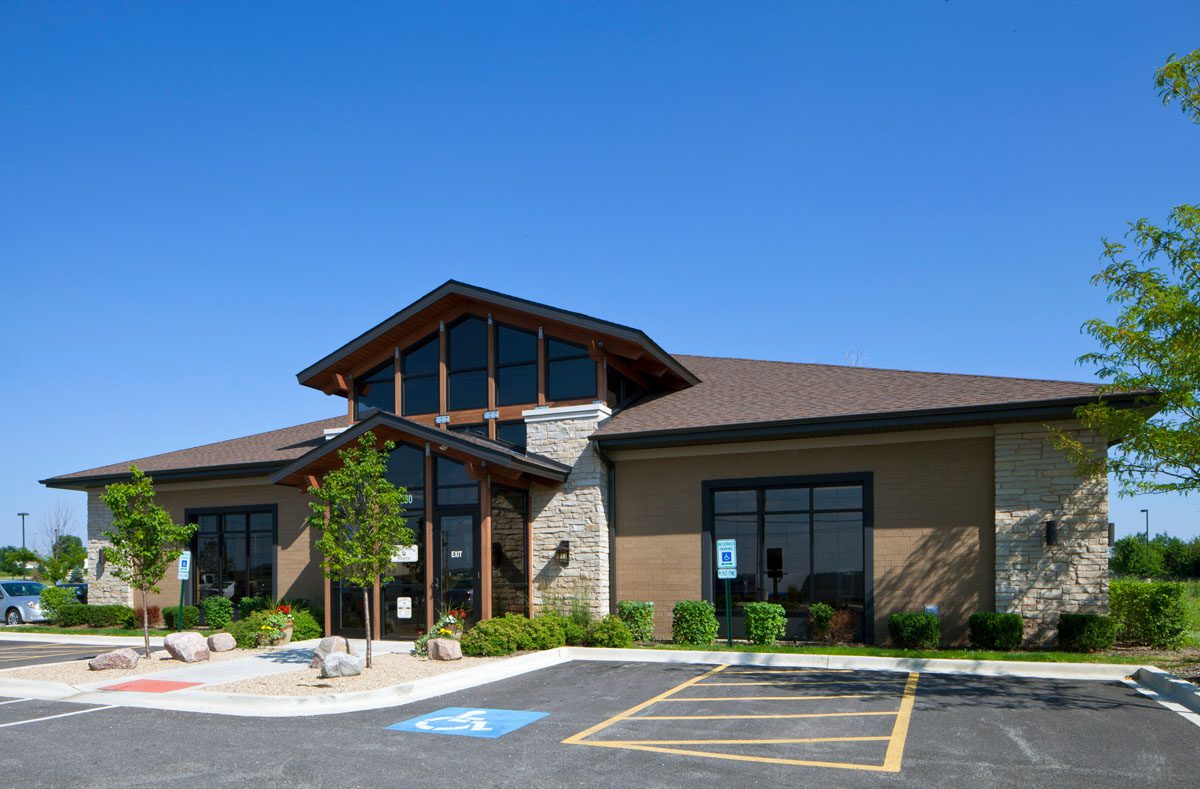
Commercial roofing for veterinary clinic & animal hospital roofing in Dayton, OH — specifications, scheduling, and project coordination for this building type.
Veterinary practice facility documentation for roofing in Dayton serves three file systems simultaneously: the property's asset management file, the practice's facility compliance records (which may be reviewed by the state veterinary licensing board during facility inspections), and the practice's insurance carrier's maintenance documentation. Most veterinary practice owners don't think about roofing documentation in terms of licensing board implications — but a state veterinary licensing inspector who visits a facility with visible water damage or active roof leaks may cite physical plant deficiencies that affect the practice's licensing status. A documented maintenance program and a current warranty are evidence that the physical plant is being professionally managed.
Professional liability insurance for veterinary practices in Dayton increasingly includes facility condition requirements that intersect with roofing maintenance. A practice that experiences a water damage event during a surgical procedure — the most severe scenario — faces both the patient care liability from the compromised surgical environment and the property damage claim from the equipment affected. The intersection of professional liability and property damage from a single roofing event is a complex claims scenario that most practice owners aren't prepared for. We recommend that practice owners review their professional liability and property policies together before a roofing failure creates a multi-policy claim.
State veterinary licensing inspection standards in OH include facility physical plant requirements — minimum standards for sanitation, safety, and equipment maintenance. While roofing is not typically a direct line item in the licensing inspection checklist, water damage from a failing roof creates conditions that affect sanitation (mold, standing water) and safety (slip hazards, compromised sterilization equipment) that are directly inspected. A current roof warranty and documented maintenance program provides evidence of active facility management that supports a clean licensing inspection.
Veterinary Clinic Roofing — Documentation Questions
What to send before the roof walk
Send the roof address, leak photos, roof age if known, access instructions, tenant limits, prior reports, and the deadline driving the decision. That lets the first visit focus on the roof condition instead of chasing basic context.
Veterinary Clinic Roofing — Documentation Questions
What documentation does a veterinary practice need from a roofing contractor?
The standard closeout package for a veterinary practice roofing project includes: building permit and final inspection certificate, manufacturer warranty registration with warranty certificate issued to the property owner, contractor workmanship warranty, photographic documentation of all completed details (penetrations, drains, flashings), HVAC penetration clearance confirmation for WAG scavenging and isolation ward exhaust, and an annual maintenance inspection schedule. For practices that lease their facility, a copy of the warranty and permit documentation goes to the landlord as evidence of the capital improvement.
How does the warranty maintenance requirement work for a veterinary facility?
Semi-annual inspection by a manufacturer-certified contractor maintains warranty validity. For veterinary facilities, our inspection includes a standard condition assessment plus specific attention to the HVAC-dense penetration areas — WAG stack flashings, isolation exhaust terminations, and boarding area exhaust — which see more thermal cycling and chemical exposure than standard commercial penetrations. We provide the inspection report to the practice owner within 48 hours of the inspection in a format compatible with the facility's maintenance records and available for licensing inspection review.
Does a veterinary facility re-roof require a building permit in Dayton?
Yes — re-roofing above minimum value thresholds requires a building permit in Dayton. For veterinary hospitals classified as institutional or outpatient medical occupancy in some jurisdictions, the permit review may include fire marshal review in addition to standard building department review. We confirm the permit review requirements before application and submit complete permit packages that include specification documents, product data sheets, and structural letters where required. The permit and final inspection certificate are included in the project closeout package.
What is required for a veterinary practice to submit a roofing insurance claim?
A roofing insurance claim for a veterinary practice requires: dated photographic documentation of the damage, a written damage assessment from a qualified roofing contractor describing the cause of loss, a repair scope and cost estimate, and evidence that the existing roof was properly maintained (inspection records, warranty documents). We provide the damage assessment and insurance claim documentation package formatted for the practice's commercial property carrier within 5 business days of the initial damage inspection.
How do you document medical gas clearance compliance after re-roofing?
After re-roofing is complete, we provide a written confirmation that all medical gas vent stack heights, WAG scavenging exhaust terminations, and isolation ward exhaust locations were verified against the applicable NIOSH, OSHA, and local mechanical code requirements for the new finished roof elevation. This confirmation is included in the project closeout package and provides documentation for the practice's facility compliance file. For practice owners whose facilities are accredited by AAHA (American Animal Hospital Association), we format the documentation to support AAHA facility standards compliance.